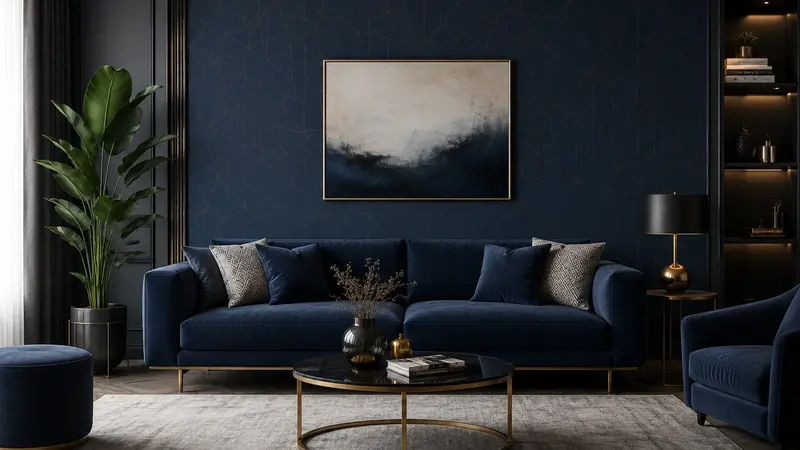
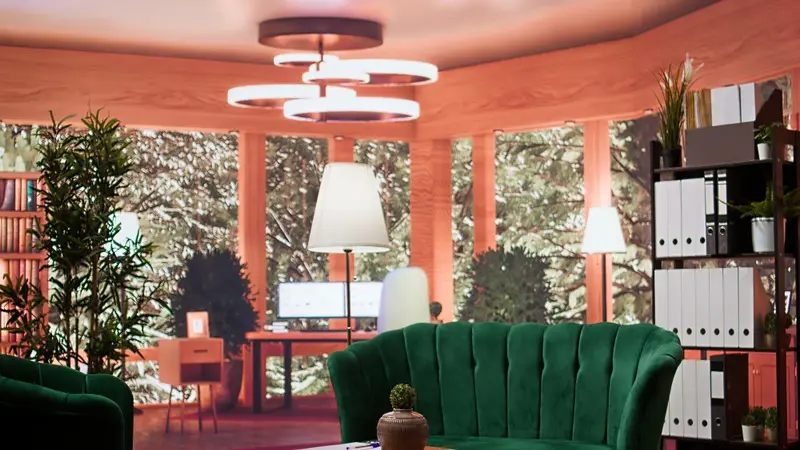
Choosing the right interior design style can change the entire character of a home. The right combination of furniture, colors, materials, lighting, and textures creates a space that feels comfortable and intentional. Understanding different interior design styles also makes decorating easier. Instead of copying a trend, homeowners can select ideas that match their lifestyle, architecture, available space, and personal taste.
What Is an Interior Design Style?
An interior design style is a recognizable approach to decorating a room. It influences everything from furniture and wall colors to lighting, flooring, fabrics, artwork, and accessories. A style does not have to be followed rigidly. Mixing complementary elements can create a more personal interior when colors, materials, and proportions remain balanced.
1. Modern Interior Design
Modern interiors focus on clean lines, practical furniture, and uncluttered spaces. The overall appearance is simple but should still feel warm and comfortable.
Key features include:
- Clean furniture silhouettes
- Neutral color palettes
- Wood, glass, and metal
- Functional layouts
- Minimal decoration
For a modern living room, choose fewer but better-quality furniture pieces and leave sufficient open space around them.
2. Contemporary Interior Design
Contemporary design reflects current decorating preferences and continues to evolve. It often combines simple furniture with sophisticated colors, natural materials, and interesting textures.
Common elements include:
- Streamlined furniture
- Neutral foundations
- Modern lighting
- Natural materials
- Sculptural accessories
Modern and contemporary should not be treated as identical. Modern refers to a specific design movement, while contemporary design changes with current influences.
3. Scandinavian Interior Design
Scandinavian design combines simplicity, functionality, and comfort. Light colors, natural wood, soft textiles, and practical furniture create an airy and welcoming atmosphere.
Scandinavian rooms often feature:
- Pale wood
- Soft neutral colors
- Natural fabrics
- Simple furniture
- Comfortable textiles
- Plenty of natural light
A textured rug, linen curtains, warm wood, and comfortable seating can introduce Scandinavian character without excessive decoration.
4. Japandi Interior Design
Japandi combines Japanese simplicity with Scandinavian warmth. It creates calm spaces through natural materials, restrained decoration, organic shapes, and neutral colors.
Consider using:
- Natural timber
- Linen
- Handmade ceramics
- Earthy colors
- Low-profile furniture
- Indoor plants
Start by removing unnecessary clutter, then introduce a few meaningful pieces. The objective is a peaceful room rather than a completely empty one.
5. Minimalist Interior Design
Minimalism focuses on purposeful choices. Furniture and accessories should serve a function while maintaining clean visual space.
Important characteristics include:
- Simple furniture
- Neutral colors
- Concealed storage
- Clean surfaces
- Limited accessories
Good storage is essential because everyday clutter can quickly reduce the clean appearance of a minimalist room.
6. Industrial Interior Design
Industrial design takes inspiration from warehouses and urban spaces. Hard materials become part of the visual character rather than being hidden.
Typical features include:
- Exposed brick
- Concrete
- Steel
- Reclaimed wood
- Dark neutral tones
- Statement lighting
Balance industrial materials with soft upholstery, timber, rugs, plants, and warm lighting to make the room more inviting.
7. Mid-Century Modern
Mid-century modern design is recognized for clean lines, organic shapes, functional furniture, and natural wood.
Popular elements include:
- Tapered furniture legs
- Wooden surfaces
- Organic curves
- Geometric patterns
- Sculptural lighting
You can introduce this style with one statement chair, sideboard, coffee table, or lamp rather than completely redesigning the room.
8. Traditional Interior Design
Traditional interiors emphasize classic furniture, symmetry, detailed finishes, and timeless decoration.
Common features include:
- Classic furniture
- Symmetrical arrangements
- Wood details
- Layered fabrics
- Traditional artwork
- Decorative lighting
To make traditional interiors feel current, combine classic pieces with simpler accessories and a restrained color palette.
9. Transitional Interior Design
Transitional style bridges traditional and contemporary design. It provides classic comfort while maintaining a cleaner and more current appearance.
Useful elements include:
- Neutral colors
- Classic furniture
- Contemporary lighting
- Natural textures
- Simple accessories
This style works well when you want traditional character without creating an overly formal room.
10. Farmhouse Interior Design
Farmhouse design emphasizes comfort, practicality, and natural materials. Wood, neutral colors, textured fabrics, and simple furniture establish its relaxed character.
Farmhouse details may include:
- Natural timber
- Comfortable seating
- Neutral upholstery
- Woven textures
- Simple lighting
Modern farmhouse design works best when rustic details are used selectively rather than covering the entire room in decorative accessories.
11. Bohemian Interior Design
Bohemian interiors are expressive and personal. Different textiles, artwork, plants, patterns, and vintage objects can be layered together.
Key characteristics include:
- Layered rugs
- Patterned cushions
- Indoor plants
- Handmade accessories
- Mixed textures
- Personal artwork
Use a repeating color palette to connect different pieces and prevent the room from appearing chaotic.
12. Coastal Interior Design
Coastal interiors create a light and relaxed atmosphere using colors and materials inspired by nature.
Common choices include:
- Soft blue tones
- Warm whites
- Sandy neutrals
- Natural wood
- Linen
- Woven materials
A sophisticated coastal room does not need obvious nautical decorations. Natural textures and an airy layout can create the desired feeling more subtly.
13. Mediterranean Interior Design
Mediterranean design uses warm colors, natural materials, textured surfaces, and relaxed furniture to create an inviting environment.
Consider incorporating:
- Terracotta tones
- Natural stone
- Warm wood
- Ceramic accessories
- Earth-inspired colors
- Textured walls
Natural imperfections and handcrafted materials can give this style additional character.
14. Art Deco Interior Design
Art Deco is associated with geometric patterns, symmetry, luxurious materials, and dramatic details.
Recognizable elements include:
- Geometric designs
- Brass accents
- Velvet
- Decorative mirrors
- Statement lighting
- Strong contrasts
A single Art Deco mirror, light fixture, or furniture piece can provide a strong focal point without overwhelming the room.
15. Eclectic Interior Design
Eclectic design combines elements from different styles to create an individual appearance. Modern furniture can sit alongside vintage pieces, traditional artwork, and natural accessories.
For a balanced eclectic room:
- Repeat selected colors
- Mix textures carefully
- Maintain furniture proportion
- Choose meaningful accessories
- Create one clear focal point
The goal is not to make everything identical. The different elements should simply feel connected.
How to Choose the Right Style
Choosing between different interior design styles becomes easier when you consider how your home is actually used.
Think about:
- Your daily lifestyle
- Room size
- Natural lighting
- Storage requirements
- Maintenance needs
- Existing furniture
- Preferred colors
- Available budget
Your home’s architecture should also influence the decision. Windows, flooring, ceiling height, doors, and existing finishes can naturally support certain design directions.
Use Color and Materials Carefully
A cohesive color palette can make different furniture pieces feel connected. Start with a dominant color, introduce a secondary shade, and use smaller accents through artwork and textiles. Materials also influence the atmosphere. Wood adds warmth, stone adds texture, metal provides structure, and fabric brings softness. Combining these materials thoughtfully creates depth without unnecessary decoration.
Can You Mix Design Styles?
Yes. You do not have to choose one style for every room. Mixing complementary influences can make a home feel more personal. For example, a contemporary living room can include a traditional wooden cabinet, Scandinavian textiles, and a mid-century chair. Repeating a similar color or material helps maintain visual harmony.
Interior Design Mistakes to Avoid
Avoid buying furniture before measuring the room. Even attractive furniture can create problems if it blocks walkways or overwhelms the available space. It is also better to use trends selectively. Permanent features should prioritize comfort, durability, functionality, and proportion, while smaller accessories can be changed more easily as preferences evolve.
Don’t Forget Lighting
Good lighting can dramatically change how an interior looks and feels.
Use a combination of:
- Ambient lighting for general illumination
- Task lighting for specific activities
- Accent lighting for artwork and features
- Decorative lighting for visual character
Natural daylight should also be considered when selecting paint, fabrics, and furniture finishes.
Final Thoughts
Understanding different interior design styles gives homeowners more freedom to create a home that reflects their personality and everyday needs. Modern, Scandinavian, Japandi, minimalist, industrial, traditional, farmhouse, coastal, and eclectic approaches can all work when they are adapted to the space. The most successful interior is not simply the one that follows a trend. It is the one that balances beauty, comfort, function, proportion, lighting, and personal style. If you need more details to visit.