
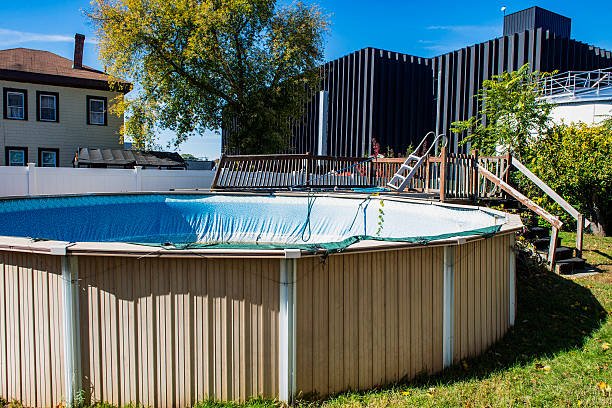
The residential backyard has undergone a dramatic evolution over the past two decades. What was once a simple patch of grass accommodating a basic concrete swimming hole has now transformed into a sophisticated, multi-functional extension of the home’s interior living space. However, if your property features an older swimming pool built in the 1980s, 1990s, or even early 2000s, you might be dealing with a deteriorating eyesore rather than a private oasis. Outdated finishes, cracked tiles, and inefficient, energy-draining equipment can quickly turn a luxury amenity into a frustrating financial liability.
Fortunately, you do not need to excavate a brand-new shell to reclaim your outdoor sanctuary. By investing in a comprehensive renovation, homeowners can completely modernize their aquatic landscape. Exploring professional portfolios, such as the transformative pool remodeling by Sapphire Pools, reveals just how drastically a tired, outdated structure can be upgraded into a breathtaking, resort-style retreat. Whether your goal is to enhance visual appeal, improve energy efficiency, or alter the physical layout to better suit your current lifestyle, understanding the intricacies of pool renovation is the first step toward revitalizing your backyard.
Recognizing the Signs: When Is It Time for a Pool Renovation?
Deciding to embark on a backyard renovation project requires careful consideration. While some homeowners choose to remodel purely for aesthetic reasons, others are driven by structural necessity or a desire to reduce soaring utility costs. Knowing what to look for can help you determine the urgency of your project.
Visible Structural and Aesthetic Wear
The most obvious indicators that a pool requires professional intervention are physical degradation. Traditional white plaster, the most common interior finish of the 20th century, typically has a lifespan of 10 to 15 years before it begins to fail. Signs of failure include severe staining, rough patches that scrape swimmers’ feet, and “delamination”—where the plaster begins to separate from the underlying concrete shell. Additionally, cracked or missing waterline tiles, crumbling brick coping, and settling or cracking in the surrounding concrete deck are clear signs that the pool’s materials have reached the end of their functional lifespan.
Outdated Technology and Soaring Energy Bills
If you are still running a traditional single-speed pool pump, you are likely spending hundreds of dollars more per year on electricity than necessary. Older filtration systems, inefficient gas heaters, and incandescent underwater lighting draw a massive amount of wattage. If you notice a steady increase in your monthly utility bills or find that your equipment requires constant repairs and patching, it is highly likely that a technological overhaul will pay for itself in energy savings over the next few years.
Evolving Lifestyle Needs
A pool built when you had active teenagers might feature a deep end and a diving board. Decades later, with the kids grown and out of the house, that same deep end might feel like a waste of space and water volume. Today’s homeowners often prefer pools designed for lounging, socializing, and low-impact exercise. A remodel allows you to physically alter the shape and depth of the existing shell, transforming an outdated diving pool into a modern, shallow-depth social hub.
Top Design Trends Transforming Outdated Pools into Luxury Oases
A comprehensive pool remodel is not just about repairing what is broken; it is an opportunity to completely reimagine the aesthetic of your outdoor living space. Today’s aquatic design trends focus heavily on natural textures, seamless transitions, and elevated luxury.
Resurfacing: Moving Beyond Basic Plaster
One of the most dramatic changes you can make during a renovation is upgrading the interior finish. While traditional plaster is still available, the industry has largely shifted toward exposed aggregate finishes. These materials blend white cement with smooth river pebbles, glass beads, or crushed quartz. Aggregate finishes are exponentially more durable than basic plaster, highly resistant to chemical imbalances, and provide a stunning, mottled texture that mimics the look of natural ocean or lagoon water. Furthermore, incorporating vibrant glass mosaic tiles at the waterline or across steps can add a dazzling, luminescent quality that reflects sunlight beautifully.
Modifying the Shape and Depth
Many homeowners are surprised to learn that you can fundamentally change the architecture of an existing concrete pool. If you rarely use your deep end, a contractor can fill it in and raise the floor, creating a uniform depth of four to five feet—ideal for water volleyball, aerobics, or simply standing with a cocktail. By pouring new concrete into a section of the pool, builders can create a shallow platform submerged in just a few inches of water, perfect for setting up in-water lounge chairs or providing a safe splash zone for toddlers and pets.
Upgrading the Decking and Hardscape
A pool does not exist in isolation; it must harmonize with the surrounding landscape and the architecture of the main house. Ripping out old, cracked, stamped concrete and replacing it with modern hardscaping materials can entirely change the vibe of the backyard. Natural stone pavers, such as French-patterned travertine or tumbled limestone, remain incredibly popular because they stay relatively cool to the touch even in direct summer sunlight. For a more contemporary, minimalist look, large-format porcelain pavers offer a sleek, seamless transition from the indoor living room to the outdoor patio.
The Hidden Value of Technological and Eco-Friendly Upgrades
While aesthetic changes are the most visible aspect of a remodel, the technological upgrades happening behind the scenes are arguably more important. Modernizing your pool’s equipment pad not only makes ownership easier but significantly reduces your environmental footprint.
Here are the most impactful technological upgrades to consider during your renovation:
- Variable-Speed Pumps (VSPs): Unlike old single-speed pumps that run at maximum velocity 100% of the time, VSPs can be programmed to run at lower, highly efficient speeds for daily filtration, ramping up only when extra power is needed for vacuuming or running a spa. This simple upgrade can reduce your pool’s energy consumption by up to 80%.
- Smart Home Automation Systems: Modern automation allows you to control your entire backyard ecosystem from an app on your smartphone. You can turn on the spa heater before you leave the office, adjust the color-changing LED pool lights, and manage your filtration schedule from anywhere in the world.
- Advanced Water Sanitization: Say goodbye to harsh chemical odors, red eyes, and dry skin. Converting an old chlorine pool to a saltwater system provides a constant, gentle stream of pure chlorine. For the ultimate in water clarity, combining UV light and Ozone (Advanced Oxidation Process) neutralizes contaminants so effectively that you can drastically reduce the amount of chlorine needed in the water.
- Energy-Efficient Heating Solutions: Replacing an old, rusted gas heater with a modern, high-efficiency heat pump or solar heating system can significantly extend your swimming season without breaking the bank on natural gas or propane costs.
Demystifying the Step-by-Step Pool Remodeling Process
Understanding the chronological phases of a pool renovation can help alleviate the anxiety often associated with major home construction projects. Here is a general breakdown of what to expect when the crew arrives.
Phase 1: Draining and Demolition
Once the permits are secured and the design is finalized, the pool is drained safely in accordance with local municipal codes. The demolition phase—often referred to as the “chip out”—begins next. Crews use pneumatic hammers to chip away the old plaster, remove the outdated waterline tile, and break apart the old coping. This is the loudest and dustiest part of the process, typically lasting one to three days.
Phase 2: Plumbing and Structural Modifications
With the shell exposed, the crew will address any structural issues. If you are adding a spa, a tanning ledge, or modifying the depth, new rebar and concrete are installed now. Plumbers will also trench into the yard to run new PVC pipes, replace outdated skimmers, and install modern main drains that comply with current anti-entrapment safety regulations.
Phase 3: Coping, Tile, and Hardscaping
Once the structural concrete has cured, the meticulous aesthetic work begins. Artisans install the new coping around the pool’s perimeter, carefully lay the new waterline tile, and begin laying the new decking material.
Phase 4: The Interior Finish and Start-Up
The final construction step is applying the new interior finish. Whether it is a pebble aggregate or polished quartz, the material is applied pneumatically, hand-troweled to a smooth finish, and often acid-washed to expose the beautiful underlying stones. Immediately after the finish is applied, the pool must be filled with water. The subsequent “start-up” phase takes several weeks, requiring daily brushing and precise chemical balancing to ensure the new finish cures flawlessly without scaling or staining.
Maximizing Your Return on Investment
A comprehensive pool remodel is a substantial financial investment, but it is one that yields excellent returns. From a real estate perspective, a modernized, visually stunning pool acts as a major selling point, increasing curb appeal and overall property valuation.
However, protecting that investment means hiring the right professionals. Pool remodeling involves complex hydraulic engineering, electrical work near standing water, and precise structural masonry. It is crucial to work exclusively with licensed, insured, and highly experienced pool contractors rather than general handymen. Experts not only guarantee quality craftsmanship but also ensure that all modifications comply with modern building codes and safety regulations.
Revitalizing an aging swimming pool is one of the most rewarding home improvement projects a property owner can undertake. By stripping away the outdated materials of the past and embracing modern architectural design, eco-friendly equipment, and luxurious finishes, you can completely transform the way you interact with your outdoor space. A thoughtfully executed pool remodel does more than just repair a broken amenity; it breathes new life into your backyard, creating a stunning, personalized sanctuary that will serve as the backdrop for family memories, relaxation, and entertainment for decades to come.