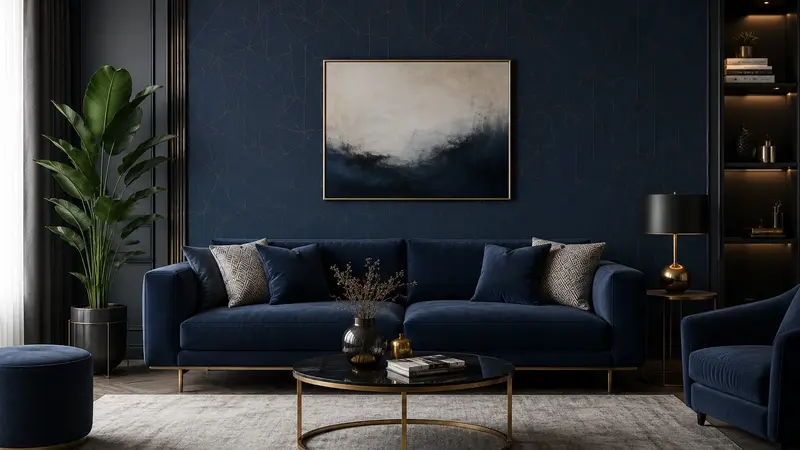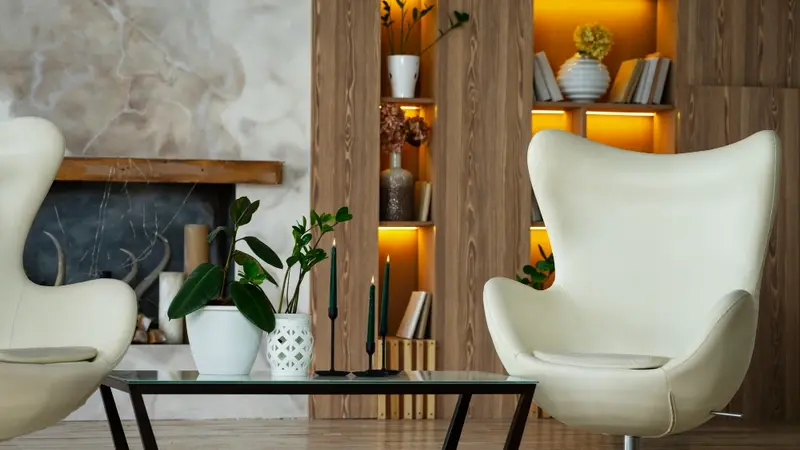

A comfortable home should look attractive and work well for everyday life. Good home improvement focuses on practical changes that make rooms easier to use, maintain, and enjoy.
The concept behind Trisha Thehometrotters is associated online with home improvement, interior design, organization, and practical living ideas. Current search results connect the term with advice about improving spaces through thoughtful design and realistic upgrades.
Start With a Practical Home Improvement Plan
Every successful home improvement project begins with a clear plan. Before buying materials, identify the areas that need improvement and decide which changes will provide the most value.
Walk through each room and look for problems with storage, lighting, flooring, furniture placement, and general functionality. Small issues can often become priorities when they affect daily routines. A written plan also helps control spending. Decide how much you can comfortably invest before starting the project.
Improve Your Home’s Lighting
Lighting can completely change the atmosphere of a room. A dark space can feel smaller, while suitable lighting can make the same area feel brighter and more comfortable.
Use several lighting sources instead of relying on one ceiling fixture. Floor lamps, table lamps, wall lights, and task lighting can create a more balanced environment. Natural light should also receive attention. Keep windows clear and use suitable curtains that provide privacy without unnecessarily blocking daylight.
Create Better Storage Solutions
Poor storage can make even a large home feel crowded. Effective storage keeps everyday items organized while preserving valuable living space.
Wall-mounted shelves can provide useful storage without taking much floor space. Cabinets, baskets, storage benches, and multipurpose furniture can also help reduce clutter. Think vertically when planning storage. Empty wall space can become a useful location for shelves, hooks, and organized storage systems.
Refresh Your Walls
Painting remains one of the simplest ways to improve a room. A fresh color can make an outdated space feel cleaner and more modern. Choose colors according to the room’s purpose. Soft neutral shades can create a calm atmosphere, while carefully selected deeper colors can add character. Before painting, repair cracks and damaged surfaces. Good preparation helps the finished wall look cleaner and last longer.
Upgrade the Kitchen
The kitchen should combine appearance with practical functionality. Small improvements can make cooking, cleaning, and storage considerably easier.
Start by organizing cabinets and drawers. Keep frequently used items within easy reach and move rarely used items into less accessible areas. Updating cabinet handles can also refresh an older kitchen. Better lighting above work surfaces can improve visibility during food preparation.
Make the Bathroom More Functional
Bathrooms require practical materials and thoughtful organization. Storage, lighting, ventilation, and durable fixtures should remain key priorities.
Check faucets, pipes, showers, and other water connections for leaks. Small leaks can cause larger problems when they remain unnoticed. Wall-mounted storage can work particularly well in smaller bathrooms. Shelves and compact cabinets can keep toiletries organized without reducing available floor space.
Improve the Living Room Layout
A living room should encourage comfortable movement and conversation. Furniture placement plays an important role in achieving that goal.
Avoid pushing every piece of furniture against the walls. Create useful groupings that allow people to communicate comfortably. Remove furniture that does not serve a purpose. A simpler layout can make the room feel more spacious and easier to maintain.
Choose Durable Materials
Home improvement should consider durability as well as appearance. Materials need to match the amount of use they will receive. High-traffic areas require surfaces that can withstand regular activity. Kitchens and bathrooms also need materials that can handle moisture and frequent cleaning.
Do not automatically choose the most expensive option. Compare durability, maintenance requirements, installation needs, and long-term usefulness before making a decision.
Consider Energy-Efficient Improvements
Energy efficiency can improve comfort while helping reduce unnecessary energy consumption. Simple improvements can make a noticeable difference over time.
Check windows and doors for visible gaps or damaged seals. Proper sealing can help maintain indoor temperatures more effectively. Energy-efficient lighting can also reduce electricity use. Regular maintenance of heating and cooling equipment supports better performance.
Improve Small Spaces
Small homes require careful planning. Every piece of furniture should provide useful functionality without overwhelming the available space. Choose furniture that serves multiple purposes. Storage beds, folding tables, compact desks, and benches with internal storage can make limited rooms more practical.
Use light strategically and avoid excessive decoration. A clean layout can make a small room feel considerably more open. The Home Trotters-related material also emphasizes small-space solutions and practical furniture choices as useful approaches for compact homes. (Thehometrotters)
Give Attention to Outdoor Areas
Home improvement can extend beyond interior rooms. A well-maintained entrance, patio, balcony, or garden can improve the overall appearance and usability of a property.
Start with basic maintenance. Repair damaged surfaces, clean pathways, improve exterior lighting, and keep outdoor areas organized. Comfortable outdoor furniture can create an additional living area. Even a small balcony can become more useful with suitable seating, lighting, and plants.
Know When to Hire a Professional
Some projects are suitable for homeowners, while others require professional knowledge. Electrical work, major plumbing changes, structural modifications, and significant roofing projects can involve serious risks.
Do not attempt specialized work simply to reduce costs. A qualified professional can help prevent mistakes and protect the property from expensive damage. Homeowners can still handle suitable preparation and decorative work. The important point is knowing when professional assistance becomes necessary.
Focus on Long-Term Improvements
Good home improvement should provide lasting benefits. Avoid making every decision based solely on short-term design trends. Consider how a change will affect your home after several years. Durable materials, practical layouts, efficient storage, and quality fixtures often provide greater value than temporary decorative trends. The goal should be a home that remains comfortable and functional as your needs change.
Final Thoughts
Trisha Thehometrotters can be viewed as a home-focused search term connected with practical improvement, design inspiration, and better everyday living. Its themes fit naturally with homeowners who want attractive spaces without sacrificing functionality.
Successful home improvement does not always require a major renovation. Better lighting, organized storage, refreshed walls, improved layouts, durable materials, and energy-efficient upgrades can transform a property gradually. Start with the problem that affects your daily life the most. Plan carefully, choose suitable materials, and complete each improvement with quality and practicality in mind. Its my blog.