
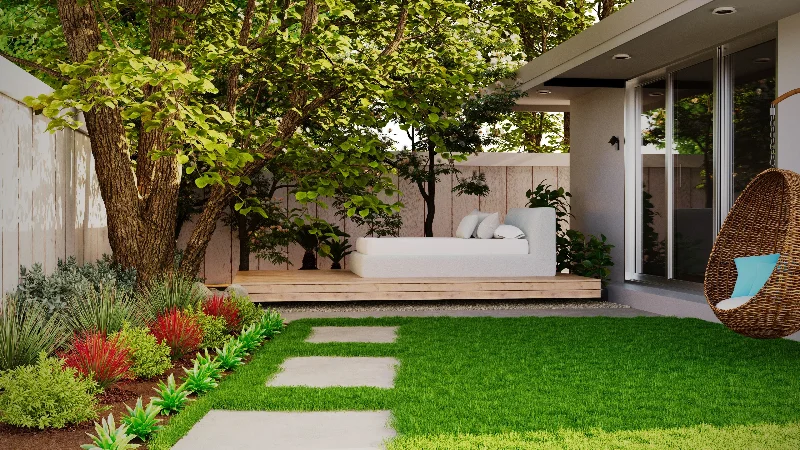
A backyard should be more than an attractive view through the window. It should be a comfortable extension of your home, designed for everyday living and built to withstand changing weather, busy routines, and years of use. The most successful outdoor upgrades are not necessarily the most expensive or elaborate. They are the ones that balance appearance with practicality. By planning the layout, choosing durable materials, and considering long-term maintenance from the beginning, you can create an outdoor space that feels welcoming today and continues to work beautifully five years from now.
Design Around the Life You Want to Live
Before choosing plants, paving, or outdoor furniture, consider how you want to use your backyard. A space designed for weekend gatherings will have different needs from one intended for quiet mornings, family activities, or gardening. Understanding these priorities helps prevent attractive features from becoming obstacles to everyday comfort.
Observe how the yard functions throughout the day. Notice where sunlight falls, which areas remain shaded, and where water collects after rainfall. Pay attention to existing trees, privacy concerns, and the natural routes people take when moving between the house and garden.
Then consider the small details that influence usability. Is there enough room to walk around a dining table? Can children play without crossing the main seating area? Is the grill positioned conveniently, with adequate clearance? Are storage and waste bins easy to access without dominating the view?
These practical questions establish a foundation for the entire project. When the design reflects real habits rather than an idealized photograph, the finished space becomes somewhere you naturally want to spend time.
Budget for What Lies Beneath the Surface
Visible features tend to attract the most attention during planning, but the underlying work often determines the project’s quality. Excavation, grading, soil preparation, drainage, and electrical installation can consume a significant share of the budget.
Separate essential infrastructure from optional additions. Establish realistic allowances for materials, labor, planting, furnishings, and lighting, then reserve money for unexpected conditions. Hidden utility lines, unsuitable soil, and deteriorated surfaces can change the scope once work begins.
If the full project exceeds your budget, consider completing it in phases. Prioritize drainage, ground preparation, and core pathways before adding decorative features. Later stages can introduce planting, furniture, and additional lighting without requiring you to compromise on foundational work.
If you want help coordinating these elements, professional landscape design and installation can bring the layout, planting, grading, and hardscape into a more cohesive plan. The goal is to make every part of the investment support the same long-term vision.
Give Every Area a Purpose
A well-designed backyard feels connected rather than crowded with unrelated features. Creating distinct zones for dining, relaxing, gardening, and recreation can make the space feel organized without requiring fences or permanent partitions.
Start with a simple sketch showing the house, existing trees, boundaries, and major pathways. Mark the activities you want to accommodate, then arrange them according to convenience and available space. Keep frequently used areas close to the entrances they serve, and preserve clear routes between them.
Proportion matters, too. Oversized furniture can overwhelm a compact patio, while a tiny seating arrangement may look lost in a large garden. Before buying anything, measure the available area and mark out the approximate dimensions with string or removable markers. This inexpensive exercise can reveal circulation problems before installation begins.
Think about sightlines as well. A view from the kitchen window, a shaded corner visible from the living room, or a clear path toward the garden can make the whole property feel more cohesive. A thoughtful layout gives every feature room to work without making the yard feel overdesigned.
Solve Water Problems Before Adding Finishes
Drainage is one of the most important factors in a backyard’s long-term performance. Water that pools around a patio, washes away soil, or repeatedly saturates planting beds can damage surfaces and undermine an otherwise attractive design.
Before construction, examine the direction of the existing slope and identify where roof runoff leaves downspouts. Consider how water moves across paved areas and whether the ground drains adequately after heavy rain. Patios should be graded appropriately, and runoff should be directed away from foundations without creating problems elsewhere on the property.
Depending on the site, solutions may include permeable paving, gravel drainage strips, channel drains, or a carefully designed rain garden. Each option needs to suit the soil, available space, rainfall patterns, and surrounding structures.
For more guidance, the EPA’s overview of rain gardens explains how these planted areas can collect runoff and help water soak into the ground. The central lesson is simple: drainage should be part of the original design, not an expensive correction after the landscaping is complete.
Choose Finishes That Stand Up to Real Life
Outdoor materials face constant exposure to sunlight, moisture, temperature changes, dirt, and foot traffic. Choosing finishes based only on appearance can lead to slippery surfaces, fading, staining, or repeated maintenance.
For patios and paths, compare slip resistance, drainage, heat retention, and the stability of the finished surface. Concrete pavers can offer flexibility in layout and replacement, while natural stone brings variation and texture. Both require appropriate installation and material selection for the conditions.
Decking deserves similar attention. Timber offers a natural appearance but may need periodic sealing or staining, depending on the species and exposure. Composite decking can reduce some maintenance requirements, although heat retention, surface texture, and product quality still matter.
Build a Planting Scheme That Grows Gracefully
Plants change as they mature, which means a garden that looks balanced on installation day may become crowded or uneven a few years later. Long-lasting planting starts with understanding mature height, spread, sunlight requirements, and water needs.
Use a combination of structural plants, medium-height shrubs, ground covers, and seasonal flowers to create depth. Evergreen elements can maintain visual interest throughout the year, while flowering plants introduce color at different times. Repeating a few varieties can create cohesion without making the garden feel monotonous.
Choose plants suited to the local climate and soil rather than selecting everything for its appearance at the nursery. Climate-adapted and native species can often establish more successfully when matched to the right growing conditions. Group plants with similar water requirements together to simplify irrigation and avoid stressing species with different needs.
The National Wildlife Federation’s guide to native plants explains how suitable native species can support wildlife while reducing the need for supplemental watering and fertilizer.
Leave enough room for mature growth, too. A little patience during the early years is preferable to repeatedly removing overgrown shrubs or replacing plants that were poorly suited to their positions.
Make Maintenance Part of the Design
Even a beautifully planned backyard can lose its appeal if it demands more attention than you can realistically give it. Before finalizing the design, consider the time and effort required to keep each feature in good condition.
Choose planting arrangements that allow convenient access for pruning, weeding, and irrigation. Avoid narrow gaps that are difficult to clean or borders that require constant trimming. Make sure drainage points remain accessible, and that outdoor furniture can be moved or stored when necessary.
A simple seasonal routine can also prevent small problems from becoming expensive repairs. Inspect paving, clean drains, check irrigation, remove accumulated leaves, and address damaged surfaces before deterioration spreads.
Ultimately, a successful backyard upgrade is not defined by how impressive it looks on the day the work finishes. It is defined by how comfortably it supports daily life, how well its materials and plants mature, and how manageable it remains over time. Plan for those realities from the beginning, and your backyard can become a space that grows more rewarding with every passing year.