A backyard can be much more than an open patch of grass or a place to store outdoor furniture. With thoughtful planning, it can become a comfortable extension of your home, offering room to relax, entertain, dine, and enjoy the fresh air. The key is to design around your daily routines rather than chase trends. When every element serves a purpose, your outdoor space becomes somewhere you genuinely want to spend time.
Begin With the Moments You Want to Create
Before choosing furniture or planning expensive upgrades, consider how you want to experience your backyard. Perhaps you imagine leisurely breakfasts outdoors, family dinners on weekends, or a quiet corner where you can read after a busy day. These everyday activities should shape your design decisions.
A dining area requires sufficient room for chairs, serving dishes, and comfortable movement. A relaxation zone needs inviting seating and a little separation from busier areas. If you frequently entertain guests, convenient access to the kitchen can make serving refreshments easier.
Spend time observing your yard throughout the day. Notice where sunlight falls, which areas remain shaded, and where rainwater collects after a storm. These simple observations reveal opportunities and potential problems before construction begins. They also help you determine which improvements deserve priority.
Make Shade the Foundation of Outdoor Comfort
A beautiful outdoor space offers little value if the sun makes it uncomfortable to use. Shade influences how long you can sit outside, how well furniture withstands exposure, and whether your backyard remains enjoyable during warmer months.
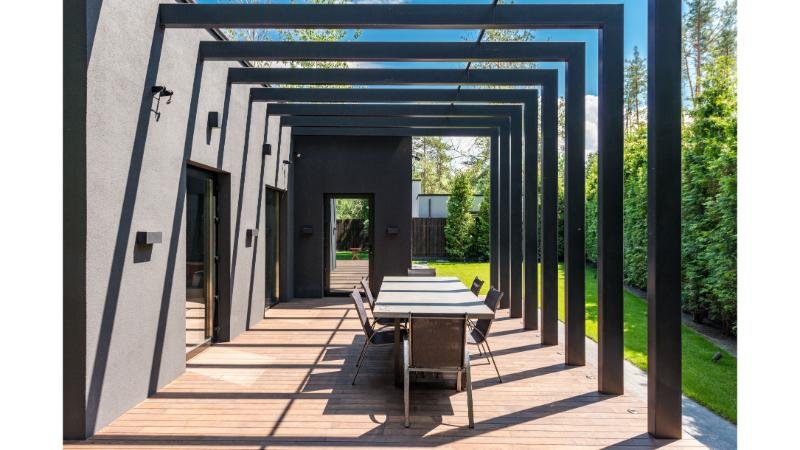
Permanent structures can provide more consistent coverage than movable umbrellas, particularly over dining tables and larger seating arrangements. Your choice should reflect the amount of sunlight your yard receives, the level of weather protection you need, and the architectural style of your home.
Permanent shade structures can make an outdoor living area more comfortable and practical throughout the year. For homeowners considering covered patios and pergolas, the choice depends on the desired level of protection, available space, and overall design. Pergolas provide filtered shade and an open architectural feel, while covered patios generally offer greater protection from direct sunlight and rain. Choosing the right structure helps create a functional outdoor area that complements your home and encourages more frequent use.
Think of shade as an investment in usability rather than a decorative finishing touch. Once the main seating and dining areas are protected, you can plan lighting, furnishings, and other features around them.
Choose Materials That Work With Your Environment
Outdoor surfaces must withstand conditions that indoor materials rarely encounter. Sunlight, moisture, temperature changes, and frequent use can all affect their appearance and performance. Selecting materials without considering these factors may lead to unnecessary repairs.
Natural wood offers warmth and character, but it may require periodic sealing and inspections. Composite decking can reduce routine maintenance, although some products become hot under direct sunlight. Stone and concrete provide durable surfaces when installed over a properly prepared base.
Drainage deserves equal attention. Water that collects around seating areas can encourage slippery surfaces, damage nearby structures, and make the yard difficult to use after rainfall. Proper grading and suitable drainage solutions help direct water away from buildings and frequently used areas.
Consider maintenance requirements before making your final selections. A material that looks attractive initially may become frustrating if it requires more care than you can realistically provide. The best choice balances appearance, durability, comfort, and long-term upkeep.
Give Every Area a Natural Purpose
Even a relatively small backyard can feel spacious when its layout is carefully considered. The secret is creating distinct areas without dividing the space unnecessarily.
Position dining furniture near the house when convenient access to the kitchen matters. Place lounge seating somewhere quieter, preferably with a pleasant view or a little natural shade. Planters, outdoor rugs, changes in paving, and thoughtfully arranged furniture can distinguish these areas without requiring walls or elaborate construction.
Movement should feel effortless. Leave enough room to pull out chairs, carry food, and walk between seating groups. Avoid placing furniture where it interrupts the main route through the yard.
For additional inspiration, explore Forbes’ guide to designing outdoor spaces. The article explores how furniture placement, material choices, and visual continuity can help create a more cohesive outdoor environment.
Ultimately, good zoning makes your backyard easier to navigate while allowing different activities to happen comfortably within the same space.
Use Lighting to Extend the Evening
Outdoor living should not end when daylight fades. A well-planned lighting arrangement makes pathways easier to navigate and creates a welcoming atmosphere for evening meals or quiet conversations.
Rather than relying on one powerful overhead fixture, combine different types of lighting. Ambient lighting provides general illumination, task lighting supports activities such as cooking, and accent lighting highlights trees, architectural details, or garden features.
Warm lighting can create a relaxed residential atmosphere, particularly around seating and dining areas. Meanwhile, discreet lights along steps and pathways improve visibility without overwhelming the surrounding landscape.
Plan electrical requirements early if your design includes overhead fixtures, ceiling fans, or other powered features. Installing wiring during construction is generally more convenient than retrofitting it later. Where appropriate, low-voltage landscape lighting can provide practical illumination around paths and planting beds.
For visual guidance, this outdoor lighting ideas video demonstrates different approaches to illuminating exterior areas, including pathways, patios, and landscaping.
Thoughtful lighting allows the same space to transition naturally from daytime relaxation to comfortable evening use.
Select Furniture for Comfort, Not Appearance Alone
Outdoor furniture should complement your layout without overwhelming it. Large sectionals may look impressive, but they can restrict movement when placed in a modest backyard. Measure the available area before purchasing anything, accounting for chair clearance and walking routes.
Material selection also affects long-term comfort. Aluminum furniture is relatively lightweight and resistant to rust, while teak offers a natural appearance that develops character over time. Weather-resistant fabrics can help cushions withstand outdoor conditions, although their performance varies.
Consider practical details that are easy to overlook. Will you have somewhere to place drinks? Can the dining table accommodate everyone comfortably? Is there a convenient place to store cushions during heavy rain?
Furniture should support the way you actually live. A simple arrangement that encourages conversation and relaxation is often more useful than an elaborate setup that leaves little room to move.
Make Room for Storage and Seasonal Changes
The most functional outdoor spaces account for everyday inconveniences. Cushions, gardening tools, cleaning supplies, and outdoor accessories all need somewhere to go when they are not in use.
Weather-resistant storage benches and outdoor cabinets can keep these items organized without creating visual clutter. If you regularly use electrical equipment outside, plan suitable power access rather than relying on inconvenient extension cords.
Flexibility matters, too. Portable furniture, adjustable shade, and movable planters allow you to adapt the space as your needs change. Fans can improve comfort during hot weather, while suitable outdoor heaters may extend use during cooler periods when conditions permit.
You do not need to complete every improvement at once. Begin with the essentials, such as drainage, durable surfaces, and shade. Add lighting, storage, landscaping, and additional amenities as your budget allows.
A phased approach helps you make deliberate decisions instead of spending money on features that may not suit the finished layout.
Build a Space You Will Enjoy Every Day
A successful backyard does not need expensive furniture, elaborate landscaping, or every outdoor amenity available. It needs to support the activities that matter most to you.
Start with a practical layout, provide protection from the elements, select durable materials, and make movement between different areas feel natural. Then introduce lighting, comfortable furniture, and useful storage to complete the experience.
Most importantly, allow your design to reflect your lifestyle rather than an idealized showroom. A small dining area where your family gathers regularly may offer more value than an elaborate entertainment zone that rarely gets used.
When comfort and function guide your decisions, your backyard becomes more than an attractive outdoor setting. It becomes a place for everyday routines, meaningful conversations, and moments of relaxation that make home feel even better.