A thoughtfully designed property reflects more than personal taste. It demonstrates an understanding of architecture, spatial planning, material selection, environmental conditions, and the practical requirements of modern living. From sophisticated interior arrangements to carefully developed landscapes, every element contributes to the character, functionality, and long-term condition of a residential property.
The relationship between house and garden has become an important part of contemporary residential design. Homeowners increasingly seek cohesive environments that connect indoor living areas with outdoor surroundings. This approach considers architectural details, decorative finishes, garden layouts, lighting, sustainable materials, and property maintenance as interconnected design decisions.
A successful residential environment requires more than attractive decoration. It needs functional planning, appropriate construction materials, healthy planting conditions, and thoughtful use of available space. Understanding these principles helps property owners make informed improvements that support comfort, visual consistency, and lasting value.
Architectural Design and the Foundations of Residential Appeal
Architecture establishes the visual identity and functional structure of a property. Building proportions, exterior finishes, window placement, roofing materials, and entrance design influence its overall appearance. A successful residential design brings these features together without sacrificing structural performance or everyday convenience. Contemporary architecture often emphasizes open layouts, natural illumination, energy-conscious construction, and connections with outdoor environments. Traditional properties may retain decorative moldings, natural stone, timber features, and established architectural details.
The selection of exterior materials deserves particular attention. Brick, stone, timber, fiber cement, and other cladding products offer different aesthetic and performance characteristics. Property owners should evaluate weather resistance, installation requirements, maintenance demands, and compatibility with the existing structure.
Important architectural considerations include:
- Exterior composition: Coordinate roofing, siding, windows, and entrance features.
- Natural illumination: Position windows and glazed openings to make effective use of daylight.
- Spatial efficiency: Develop room layouts that support circulation and practical furniture arrangements.
- Material durability: Select finishes according to exposure, maintenance requirements, and expected performance.
- Architectural consistency: Maintain a recognizable design language throughout the property.
These decisions influence both the immediate appearance and the long-term maintenance requirements of a home.
Sophisticated Interior Design and Functional Space Planning
Interior design requires a careful balance between aesthetics, ergonomics, lighting, and material performance. A professionally planned interior should create visual harmony while accommodating the activities that take place in each room.
Contemporary Color Palettes and Material Selection
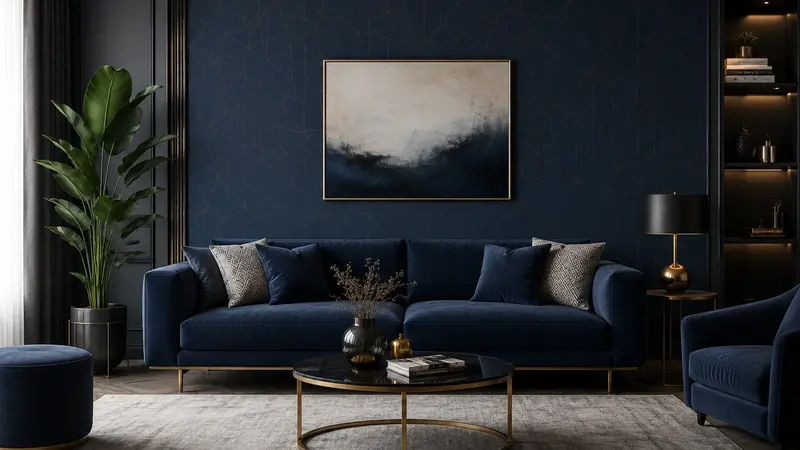
Color selection influences the atmosphere, perceived dimensions, and visual continuity of interior spaces. Warm neutrals, muted greens, natural browns, and understated architectural finishes offer versatile foundations for residential interiors. Material combinations can introduce depth without creating visual clutter. Natural timber, textured stone, brushed metal, ceramic surfaces, and quality fabrics provide different tactile and decorative qualities.
Homeowners should evaluate materials according to their intended applications. Kitchens and bathrooms require surfaces that withstand moisture and regular cleaning. Living areas benefit from comfortable flooring, durable upholstery, and finishes that complement natural lighting.
Furniture Placement and Interior Organization
Furniture arrangement determines how efficiently people use available space. Poor positioning can restrict circulation, obstruct natural light, and create unnecessary visual congestion. Professional space planning considers furniture dimensions, room proportions, door openings, electrical outlets, and movement patterns. Multifunctional storage can improve smaller interiors without compromising their appearance.
Useful interior design considerations include:
- Select furniture according to room dimensions and household requirements.
- Combine ambient, task, and accent lighting for different activities.
- Introduce storage systems that maintain organized surfaces.
- Use decorative accessories to establish a consistent visual theme.
- Choose upholstery and flooring according to durability and maintenance needs.
A well-composed interior should feel intentional rather than overcrowded. Each decorative element should contribute to the room’s function or visual identity.
Landscape Architecture and Professional Garden Planning
Landscape design transforms outdoor areas into organized environments that complement residential architecture. It involves plant selection, soil management, grading, drainage, irrigation, hardscaping, and the strategic arrangement of outdoor features.
A professionally planned garden considers environmental conditions before decorative preferences. Sun exposure, prevailing winds, soil composition, rainfall, and available water influence plant performance. Ignoring these conditions can increase maintenance requirements and reduce planting success.
Plant Selection and Landscape Composition
Successful planting schemes combine different heights, textures, foliage characteristics, and seasonal interests. Trees establish vertical structure, shrubs create visual boundaries, and flowering plants introduce color.
Native and climate-adapted species can offer practical advantages because they suit local growing conditions. Their suitability still depends on soil characteristics, available moisture, and the specific planting location.
Garden designers should consider:
- Mature plant dimensions and root development.
- Seasonal flowering and foliage characteristics.
- Compatibility between neighboring plant species.
- Soil drainage and nutrient requirements.
- Maintenance demands and irrigation availability.
A carefully selected planting palette creates a more cohesive landscape and reduces the need for frequent replacements.
Soil Quality, Irrigation and Plant Health
Healthy soil provides the foundation for successful gardening. Soil structure influences drainage, aeration, nutrient availability, and root development. Testing can identify pH conditions and possible nutrient deficiencies before gardeners make amendments. Compost contributes organic matter and can improve soil structure. Mulching helps regulate soil temperature, conserve moisture, and suppress weed growth when gardeners apply it appropriately.
Irrigation planning should reflect plant requirements and environmental conditions. Drip irrigation systems can deliver water directly to suitable planting areas. Rain sensors and efficient scheduling can help prevent unnecessary watering.
Outdoor Living Architecture and Landscape Integration
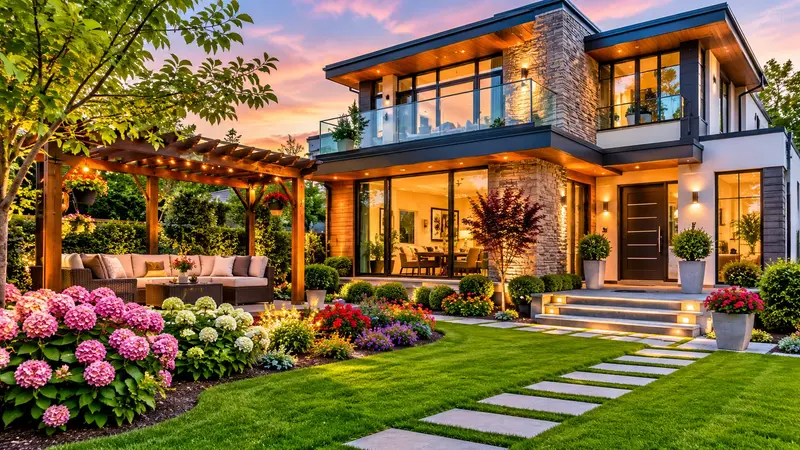
Outdoor living spaces now serve several residential purposes. Patios, terraces, decks, pergolas, and garden seating areas can accommodate dining, relaxation, entertainment, and recreational activities. Their design should establish a natural relationship with the surrounding architecture. Floor finishes, exterior lighting, furniture materials, and planting arrangements can connect outdoor spaces with adjoining interior rooms.
A functional outdoor environment may incorporate:
- Architectural pergolas and suitable shade structures.
- Weather-resistant seating and dining furniture.
- Decorative landscape lighting.
- Integrated planting beds and raised planters.
- Durable paving and clearly defined pathways.
- Outdoor storage and discreet utility areas.
Material selection should account for ultraviolet exposure, temperature changes, moisture, and slip resistance. Proper drainage also protects paved surfaces and adjacent building foundations.
Residential Renovation and Sustainable Home Improvements
Renovation projects provide opportunities to improve building performance, interior functionality, and overall residential comfort. Effective renovation planning begins with an assessment of the property’s existing condition.
Structural concerns, moisture intrusion, outdated electrical systems, plumbing defects, and inadequate ventilation deserve attention before decorative upgrades. Addressing these issues helps prevent additional complications during construction. Energy efficiency should also influence renovation decisions. Insulation, air sealing, efficient windows, modern lighting, and appropriately selected heating and cooling equipment can improve building performance.
Homeowners should prioritize improvements according to their property’s actual requirements:
- Kitchen modernization: Improve storage, work surfaces, ventilation, and task lighting.
- Bathroom renovation: Upgrade fixtures, moisture management, ventilation, and accessible layouts.
- Building envelope improvements: Examine insulation, exterior seals, windows, and roofing.
- Flooring replacement: Select materials that suit traffic levels and moisture exposure.
- Lighting upgrades: Consider efficient fixtures and appropriate illumination levels.
The U.S. Department of Energy provides technical guidance on residential insulation, air sealing, and energy-efficient improvements. Qualified contractors should handle projects involving structural modifications, electrical installations, and complex plumbing systems.
Property Maintenance and Long-Term Residential Performance
Property maintenance protects building materials, household systems, landscaping, and exterior finishes. A consistent inspection schedule allows homeowners to identify deterioration before it develops into a more expensive problem. Roofing systems, gutters, exterior drainage, window seals, foundations, and plumbing connections require appropriate attention. Garden maintenance also involves pruning, soil improvement, irrigation adjustments, and the management of seasonal growth.
A structured maintenance calendar can include:
- Spring: Examine drainage, exterior finishes, planting beds, and irrigation equipment.
- Summer: Monitor water consumption, inspect cooling systems, and maintain outdoor structures.
- Autumn: Clear gutters, inspect weather seals, and prepare vulnerable plants for colder conditions.
- Winter: Monitor indoor moisture, protect vulnerable plumbing, and address drafts.
Maintenance requirements vary according to building materials, climate, equipment specifications, and landscape conditions. Homeowners should follow manufacturer recommendations and seek professional inspections when necessary.
Frequently Asked Questions
Q1. What does house and garden design involve?
It involves residential architecture, interior decoration, landscaping, gardening, outdoor living, renovation, and property maintenance. These disciplines work together to create functional and visually coordinated residential environments.
Q2. Which architectural features improve residential appearance?
Well-proportioned windows, coordinated exterior materials, attractive entrances, suitable roofing, and balanced landscaping can strengthen architectural appeal. Their effectiveness depends on the building’s existing design and surroundings.
Q3. How can homeowners develop a professional garden layout?
Start by assessing sunlight, soil composition, drainage, available space, and local climate. Select compatible plants, establish functional pathways, and arrange landscape features according to their intended purpose.
Q4. Which materials work well for outdoor residential spaces?
Natural stone, concrete pavers, suitable timber, porcelain paving, and weather-resistant composite materials offer different outdoor applications. Selection should account for durability, maintenance, drainage, and local weather conditions.
Q5. How can residential properties become more energy efficient?
Appropriate insulation, air sealing, efficient windows, modern lighting, and correctly maintained heating and cooling systems can improve energy performance. Professional assessments can identify suitable upgrades.
Q6. Why does regular property maintenance matter?
Routine inspections help identify deterioration, moisture problems, drainage issues, and equipment defects. Early attention can protect building components and support the property’s long-term condition.
Final Thoughts
A beautiful property requires thoughtful design, practical improvements, and regular maintenance. A well-planned house and garden combines comfortable interiors, attractive landscaping, durable materials, and functional outdoor spaces. Careful planning and quality choices help homeowners create welcoming spaces that remain attractive, efficient, and comfortable for years to come. If you need more details to visit my blogs.