
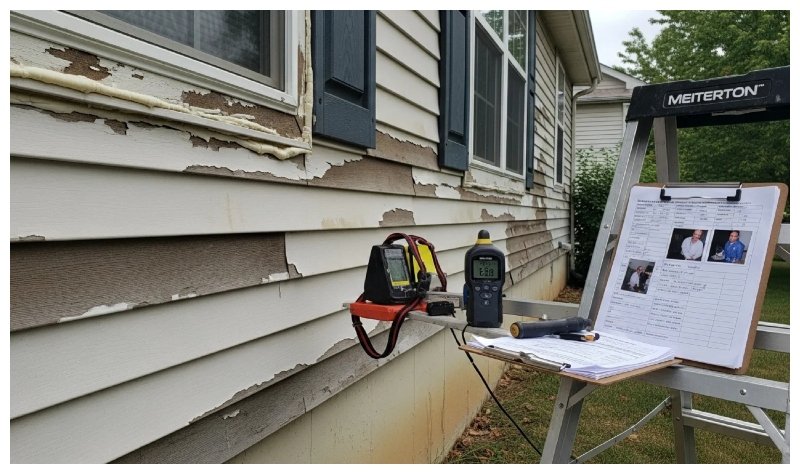
Before committing to a roofing, siding, or exterior repair project, homeowners need more than a quick look from the driveway. A complete inspection should identify visible wear, likely sources of water intrusion, and related components that may affect the project scope. Companies such as P1 Roofing and Exteriors can use a thorough assessment to help homeowners understand the condition of the exterior before materials are ordered or work begins.
The purpose is not to assume that every stain, loose shingle, or aging board requires full replacement. It is to distinguish maintenance needs from urgent concerns, document what can be seen, and explain what may only become clear after old materials are removed.
Why a Complete Inspection Matters
A roof may appear acceptable from ground level even if the flashing has failed, the decking has been affected by moisture, or attic ventilation is contributing to condensation. A detailed inspection gives homeowners a better basis for prioritizing repairs and comparing proposals. It can also reduce surprises by identifying areas that may need closer attention during tear-off.
Photos and aerial views can be useful, especially on steep roofs, but they do not reveal every condition. The limitations of aerial imagery for confirming roof damage are one reason a physical review of accessible areas remains important.
What Inspectors Should Check Outside
An exterior review should look beyond the primary roof covering. Shingles, metal panels, or other materials should be checked for missing sections, cracking, lifted edges, granule loss, punctures, and visible prior repairs. Roof penetrations and transitions deserve equal attention because chimneys, skylights, plumbing vents, and wall intersections rely on correctly installed flashing.
The inspection should also include eaves, soffits, fascia, siding seams, trim, windows, doors, caulked joints, gutters, downspouts, and the drainage path around the foundation. Staining, soft wood, open joints, loose panels, pest activity, and concentrated runoff can indicate conditions affecting multiple exterior components.
Why the Attic Deserves Attention
Where safe access is available, the attic can provide important context for a roof inspection. Moisture stains on framing, damp or compressed insulation, mold-like growth, daylight at roof penetrations, and deteriorated decking may indicate a leak or an air- and moisture-management problem.
Ventilation should be reviewed as part of the system. Intake openings near the soffits and exhaust ventilation near the roof peak can help move heat and moisture when they are properly configured. Bathroom fans, kitchen exhaust ducts, disconnected ductwork, and plumbing vents also matter because they can introduce moisture into attic spaces if they are not routed correctly.
Common Problems That Stay Out of Sight
A casual walk-around rarely reveals every issue. Common findings that may remain hidden until closer inspection or material removal include:
- Stained, softened, or deteriorated roof decking.
- Damaged flashing around chimneys, vents, and wall transitions.
- Blocked or painted-over soffit vents.
- Wet insulation or insulation compressed by prior moisture.
- Soft fascia boards and trim behind gutter lines.
- Water intrusion around windows and doors.
- Downspouts that discharge too close to the home.
- Older patch repairs that conceal a broader problem.
How Roofing and Siding Work Together
Roofing, siding, flashing, trim, windows, and gutters function as a connected weather barrier. Water that gets behind a roof-to-wall transition can affect siding, sheathing, trim, and interior finishes. Similarly, a gutter problem can keep fascia and lower wall areas wet long enough to cause deterioration.
A roof replacement may reveal damaged fascia near a dormer or compromised siding at a wall intersection. That does not automatically mean the entire exterior needs to be replaced. It does mean that the adjacent materials should be evaluated so that repairs can be coordinated rather than covered over.
What a Clear Project Scope Should Include
A useful estimate explains the work rather than relying on broad labels. Before signing, homeowners should look for:
- Named materials and product specifications.
- Included areas and clearly identified exclusions.
- Removal, disposal, and site-cleanup details.
- Allowances or procedures for decking, flashing, trim, and ventilation repairs.
- Permit responsibility, payment schedule, and change-order process.
- Material and workmanship warranty information.
- An expected work schedule and plan for protecting landscaping and property.
When Photos, Drones, and Other Tools Help
Inspection photos help homeowners connect reported conditions to the proposed scope. Drones can provide useful views of steep, fragile, or unsafe roof areas, but they are not a substitute for a closer inspection when one can be conducted safely. The Texas Real Estate Commission notes that some roof deficiencies may not be discovered without walking the roof, and drones may not show conditions beneath eaves or within tight crevices.
Technology should support professional judgment. It cannot show attic conditions, confirm concealed moisture damage, or predict every issue that may appear once existing materials are removed.
How Homeowners Can Prepare
Homeowners can make an inspection more productive by providing attic access, listing known leaks or stains, gathering records from prior exterior work, and identifying areas that collect water after rain. Ask whether the report will include photos, which repairs are urgent, and which recommendations are optional improvements.
Warning Signs of a Weak Inspection
Be cautious when an estimate is based only on satellite measurements, omits accessible attic areas, or provides no photos or descriptions. Other concerns include ignoring flashing and drainage, leaving major scope items undefined, and failing to explain how concealed damaged decking would be documented and approved. A strong inspection should make uncertainties clear rather than hiding them in vague language.
Can a roof look fine from the ground and still need work?
Yes. Flashing defects, moisture beneath the roof covering, ventilation concerns, and decking damage may not be visible from the driveway.
Should a siding inspection include windows and gutters?
Yes. Windows, trim, gutters, and siding often share drainage paths and wall transitions, so nearby components can help identify where water may be entering or collecting.
What happens if damage is found during tear-off?
Ask for a written process that includes photo documentation, pricing or unit costs, and approval requirements before additional work proceeds.
Final Takeaway
A complete exterior inspection should explain what is visible, what may be concealed, what needs prompt attention, and how each recommendation affects the project. Homeowners do not need to become roofing experts, but they should have enough clear information to compare scopes, ask informed questions, and make decisions before construction starts.