
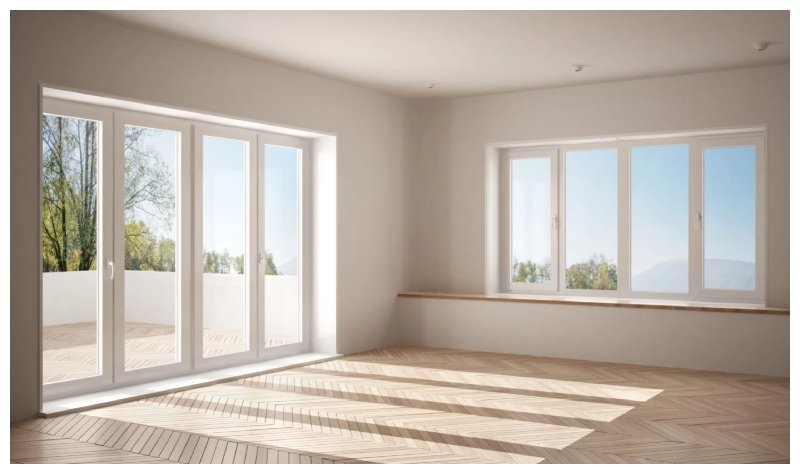
Replacing the windows in your home can be a worthwhile improvement, but it is also a project that requires careful financial planning. Whether you are dealing with draughty frames, condensation between glass panes or windows that no longer open properly, upgrading them can improve comfort, appearance and energy efficiency. However, without a clear budget, it is easy for costs to become higher than expected.
The key to managing a window renovation is understanding what you need, researching suitable options and comparing realistic estimates before making a decision. A window price estimator can be a useful starting point because it helps homeowners explore potential costs and consider different choices before requesting formal quotations.
Start by Identifying Which Windows Need Replacing
Before thinking about prices, take time to assess the condition of your existing windows. Replacing every window in the property may not always be necessary. Some might still be in good condition, while others may have problems that affect insulation, security or everyday use.
Look for signs such as:
- Draughts around the window frames
- Difficulty opening or closing windows
- Damaged seals or frames
- Condensation trapped between glass panes
- Visible cracks or deterioration
- Noticeable outside noise entering the property
These issues can help you decide which windows require immediate attention. If only a few windows are damaged, replacing them first could be more affordable than carrying out a complete renovation at once. It is also worth considering the age and general condition of the frames. Minor problems may sometimes be repaired, so a professional assessment can help you avoid replacing windows unnecessarily.
Establish a Realistic Budget
A common mistake homeowners make is deciding which windows they want before understanding how much they can comfortably spend. A better approach is to establish a budget first and then explore options within that amount. Consider how many windows need replacing, the type of property you own and whether installation will involve additional work. Remember that the overall project cost is not always limited to the price of the windows themselves.
Your budget should account for:
- Window frames and glazing
- Professional installation
- Removal and disposal of old windows
- Repairs to surrounding areas, if required
- Finishing work and adjustments
- Any additional security or ventilation features
It is sensible to keep some money aside for unexpected expenses. Older properties, in particular, may have damaged surrounding materials or uneven openings that only become apparent during installation. A realistic budget gives you more control over the project and reduces the likelihood of making rushed decisions when additional costs arise.
Use an Online Estimator to Explore Your Options
Researching window prices individually can take considerable time, especially when you are comparing different materials, sizes and designs. Online estimating tools make this initial research easier.
A window price estimator allows homeowners to explore how different choices may influence the expected cost of a project. Depending on the tool, you may be able to enter approximate measurements, select a window style and compare different frame materials. For example, you could explore the potential difference between installing standard uPVC windows and choosing aluminium frames. You might also compare the estimated cost of casement windows with alternative designs.
These estimates are useful for understanding the general price range before contacting suppliers. They can also help you decide whether your preferred design fits within your available budget. However, an online estimate should not be treated as a final quotation. The actual cost depends on accurate measurements, the property’s condition, installation requirements and the specifications selected.
Choose Window Materials Carefully
The material you choose for your new windows can influence both the initial investment and the long-term maintenance requirements. The three commonly considered options in UK homes include uPVC, aluminium and timber.
uPVC windows
uPVC is a popular choice because it is generally affordable, requires relatively little maintenance and is available in different colours and finishes. It can suit modern homes as well as many traditional properties.
Aluminium windows
Aluminium frames are known for their strength and slim profiles. They can allow larger areas of glass and create a contemporary appearance. However, their initial cost may be higher than some uPVC alternatives.
Timber windows
Timber can provide a traditional appearance, particularly in period properties and conservation-style homes. The material can be attractive and offer good performance when properly maintained. However, homeowners should consider the ongoing care that timber frames may require. Rather than selecting a material based only on its purchase price, consider its appearance, durability, maintenance needs and suitability for your property.
Compare Window Styles and Their Costs
The design of a window also affects the overall project budget. Different opening mechanisms and configurations may involve different manufacturing and installation requirements. Casement windows are widely used in UK properties. They are practical, familiar and available in various sizes. Tilt-and-turn windows offer additional flexibility because they can open in different ways, making them useful for ventilation and cleaning.
Sliding sash windows are often chosen for traditional properties because they preserve a classic architectural appearance. Bay windows, meanwhile, can make a room feel larger and allow more natural light, although their design and installation can be more complex. When comparing styles, think about how each option will work in your home. A design that looks attractive in a brochure may not necessarily be the most practical choice for every room. It is also worth considering whether the new windows need to match existing architectural features. In some properties, planning requirements or conservation restrictions may influence which designs are suitable.
Avoid Choosing the Cheapest Option Automatically
Staying within budget is important, but selecting the lowest-priced product without considering its quality can create problems later. Very inexpensive windows may not offer the features, specifications or finish you expect. Poor installation can also affect performance, even when the windows themselves are reasonably good. When comparing suppliers, look beyond the headline price. Ask about the glazing specification, frame construction, security features, installation process and warranty arrangements.
You should also check what is included in the quoted amount. One supplier might include removal of the existing windows and finishing work, while another may charge for these services separately. A slightly higher quotation may represent better value if it includes more comprehensive installation and aftercare.
Request Several Detailed Quotations
Once you have an idea of your preferred design and approximate budget, contact several reputable window companies for quotations. Providing each supplier with similar information makes comparisons more useful. Explain how many windows you want to replace, describe the preferred styles and mention any specific requirements.
Ask each company to provide a breakdown covering:
- Number and type of windows
- Frame materials and finishes
- Glass specifications
- Installation charges
- Removal of existing windows
- Disposal arrangements
- Warranty and aftercare
A detailed window price estimator can help you prepare for these conversations by giving you an initial understanding of the options and costs you may encounter. However, suppliers should carry out the necessary checks and measurements before confirming a final price. Avoid relying on estimates based entirely on approximate dimensions when arranging a permanent installation.
Consider Energy Efficiency as Part of Your Budget
New windows are often purchased to improve the comfort and energy performance of a home. Older or poorly maintained windows may allow unwanted heat to escape, making rooms uncomfortable during colder months. Modern double glazing can help reduce heat transfer compared with many older single-glazed windows. Performance depends on several factors, including the glass specification, frame design, seals and quality of installation. When comparing products, look at their energy ratings and technical specifications rather than relying only on general advertising claims.
It is also important to remember that replacing windows does not automatically guarantee a particular reduction in heating bills. The results depend on the existing condition of the property, insulation levels, heating habits and the performance of the new installation. Nevertheless, choosing suitable energy-efficient windows can be a sensible long-term investment when planned properly.
Plan the Installation at the Right Time
The timing of your renovation can influence how smoothly the work is completed. Before agreeing to an installation date, consider your household routine, other renovation projects and the availability of installers. If you are also planning plastering, decorating or other improvements, coordinating the work can help reduce disruption and avoid paying for repeated finishing work.
Discuss the expected installation schedule with your chosen company. Ask how long the work is likely to take, whether every room will be affected and what preparation is required. You should also clarify how the installers will protect flooring, furniture and surrounding areas during the work. Good preparation can make the project more organised and reduce the risk of unexpected delays.
Keep Track of Your Spending
Once the project begins, maintain a record of agreed prices, payments and any additional work. Keep copies of quotations, contracts, invoices and warranty documents. If the supplier identifies an unexpected issue during installation, ask for an explanation and a revised cost before approving additional work.
This is particularly important when dealing with older properties, where hidden damage or previous poor workmanship may affect the installation. Avoid making informal changes to the project without confirming how they will affect the final price. Clear communication helps prevent disagreements and makes it easier to keep the renovation within budget.
Make Your Window Upgrade a Long-Term Investment
A successful window replacement project is not simply about spending as little as possible. It is about choosing products that meet your household’s needs, fit your property and offer reliable performance over time. By assessing existing windows, setting a realistic budget, comparing materials and obtaining detailed quotations, you can make more informed decisions.
Using a window price estimator during the early planning stage can also help you understand the financial implications of different designs before committing to a supplier.
The most effective approach is to balance affordability with quality. Choose windows that suit your home, work with an experienced installer and make sure you understand exactly what is included in the agreed price. With careful preparation, you can improve your home’s appearance, comfort and energy performance without allowing the renovation costs to get out of control.