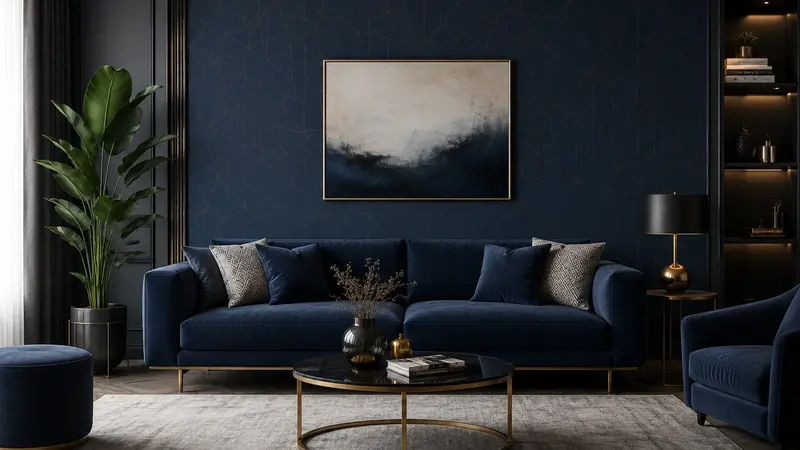
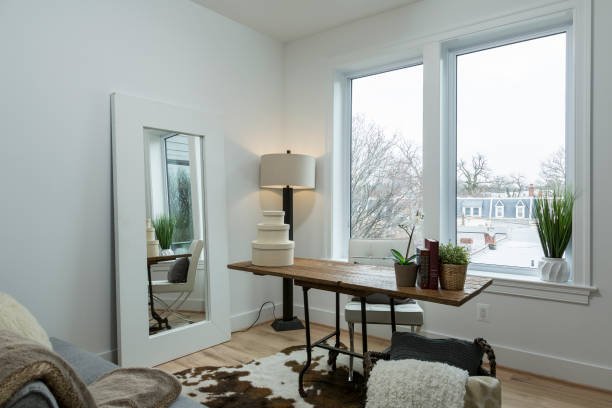
A small room does not have to feel cramped or uncomfortable. With the right combination of colors, furniture, lighting, and decoration, even a limited space can feel open, bright, and welcoming. The secret is not simply removing furniture or painting everything white. It is about making better use of the available space while maintaining a sense of balance and personality.
Whether you are decorating a compact apartment, a small bedroom, or a narrow living room, a few thoughtful design choices can make a noticeable difference.
1. Choose Light Colors Without Making the Room Feel Plain
Color is one of the easiest ways to influence how spacious a room appears. Light shades reflect more natural light, helping walls feel less enclosed and creating a softer visual impression. White, cream, pale gray, and warm beige are popular choices because they work with many furniture styles.
However, using only white can sometimes make a small room feel cold or unfinished. A better approach is to build a light, layered palette. For example, warm white walls can be paired with beige upholstery, pale wood furniture, and soft gray textiles. These subtle differences add depth without creating strong visual divisions.
You can also use one slightly deeper shade as an accent. A muted green wall, a warm brown armchair, or darker decorative accessories can give the room character. The key is to keep the overall palette cohesive so the eye can move naturally around the space.
If the room has a low ceiling, consider painting the ceiling a lighter shade than the walls. This can help draw attention upward and make the space feel less confined.
2. Let Natural Light Travel Through the Room
Natural light can make a small interior feel significantly more open. Heavy curtains, bulky furniture, and poorly placed accessories may block sunlight and create dark corners.
Start by keeping window areas as clear as possible. Replace thick curtains with lightweight fabrics when privacy requirements allow. Sheer curtains soften direct sunlight while still allowing daylight to enter. If you need more privacy or light control, combine them with roller blinds or blackout curtains that can be adjusted when necessary.
Furniture placement also matters. Avoid positioning tall cabinets or large decorative objects directly in front of windows. If the layout allows, place seating near natural light rather than blocking its path.
Mirrors can help distribute light throughout the room. A mirror placed opposite or beside a window can reflect daylight into darker areas. Choose a size and frame that suit the room rather than adding several small mirrors without a clear arrangement.
3. Select Furniture That Fits the Available Space
One common mistake when decorating a small room is choosing furniture based on appearance alone. A large sofa may look comfortable in a showroom, but it can dominate a compact living room and leave little room for movement.
Before buying anything, measure the room and consider how people will move through it. Pay attention to the width of walkways, the distance between seating and tables, and the space needed to open doors or drawers.
Furniture with raised legs can make a room feel lighter because more of the floor remains visible. Open-frame chairs, slim-legged tables, and compact sofas are useful choices when you want to avoid a heavy appearance.
Multifunctional furniture is particularly valuable in small homes. A storage ottoman can serve as seating, a footrest, and a place to keep blankets. A dining table with an extendable surface can accommodate guests without taking up unnecessary space every day. In a bedroom, a bed with built-in drawers can reduce the need for additional storage units.
The goal is not to fill every corner. Leaving some areas open gives the room visual breathing space.
4. Use Vertical Space to Reduce Clutter
When floor space is limited, look upward. Walls provide valuable storage and decoration opportunities that are often overlooked.
Floating shelves can hold books, small plants, and personal accessories without requiring a bulky cabinet. Wall-mounted lighting frees up bedside tables and side surfaces, while hooks can keep bags, coats, and everyday items organized.
Vertical storage should still be used carefully. Covering every available wall with shelves can make a room feel crowded. Choose a few practical locations and leave enough empty wall space to maintain a clean appearance.
The same principle applies to decoration. A carefully positioned artwork can create a focal point and draw the eye upward. Natural textures are especially useful because they add character without requiring additional furniture. For example, driftwood wall art can introduce organic shapes and weathered wood textures that complement a light, relaxed interior.
For a more decorative statement, carved wood wall art offers dimensional details that bring depth to an otherwise simple wall. In a small room, one well-chosen piece is often more effective than a collection of unrelated decorations.
5. Create a Consistent Visual Flow
A room can feel smaller when every area has a different color scheme, furniture style, or decorative theme. Too many visual changes make the space appear fragmented.
A consistent design language helps the interior feel more connected. This does not mean every piece must match. Instead, repeat a few colors, materials, or shapes throughout the room.
For example, a small apartment might use light oak furniture in the living area, a similar wood finish in the dining space, and matching neutral textiles in the bedroom. The rooms can have different functions while still feeling like parts of the same home.
Flooring also contributes to visual continuity. If possible, using the same flooring material across connected areas can make the home feel more spacious. Large rugs can define individual zones, but avoid using too many small rugs that visually break up the floor.
6. Make Lighting Work in Layers
A single ceiling fixture rarely provides enough flexibility for a small interior. It may illuminate the center of the room while leaving corners dark, making the space feel less balanced.
A layered lighting plan solves this problem by combining general, task, and accent lighting. Ceiling fixtures provide overall illumination, while table lamps and wall lights support specific activities. Accent lighting can highlight artwork, shelving, or architectural details.
Choose fixtures that are proportionate to the room. Oversized pendant lights may overwhelm a low ceiling, whereas slim wall-mounted fixtures can provide useful illumination without taking up valuable surface space.
Warm or neutral white lighting generally creates a comfortable atmosphere in residential interiors. If the room has limited daylight, avoid relying entirely on very warm, dim bulbs, which can make the space appear darker than it needs to be.
7. Keep Decoration Simple but Meaningful
Small rooms benefit from intentional decoration. Every item should contribute to the overall appearance or serve a practical purpose.
Instead of displaying many small accessories, select a few pieces with different heights, shapes, and textures. A ceramic vase, a small plant, and a framed artwork can create a balanced arrangement on a console table. Grouping related objects also helps them look deliberate rather than scattered.
Texture is another effective way to add interest without introducing too many colors. Linen cushions, woven baskets, wooden surfaces, and soft rugs can make a neutral room feel layered and inviting.
Be selective with decorative collections. If you enjoy displaying souvenirs or personal objects, rotate them occasionally instead of keeping everything on view. This allows the room to retain its personality without becoming visually overwhelming.
8. Maintain Clear Surfaces and Practical Storage
Even a well-designed small room can quickly become cluttered when everyday belongings have no designated place. Mail, chargers, clothing, and miscellaneous accessories often accumulate on tables and countertops, reducing the sense of openness.
Create simple storage habits that fit your routine. Use drawer organizers for smaller items, baskets for frequently used belongings, and concealed storage for things that do not need to remain visible. Keep countertops and tabletops relatively clear, especially in areas where several activities take place.
It is also worth reviewing what you actually use. Furniture and accessories that no longer serve a purpose can take up valuable space. Removing unnecessary items often makes a greater difference than purchasing additional storage products.
A Small Room Can Still Feel Spacious and Inviting
Making a small space feel bigger is not about following strict decorating rules or eliminating everything you love. It is about understanding how light, color, furniture, and visual balance affect the way a room feels.
Start with a few practical changes: improve natural light, choose appropriately sized furniture, use vertical storage, and maintain a consistent color palette. Then introduce carefully selected decorative details to give the space personality.
With a thoughtful layout and a little restraint, a compact room can feel bright, comfortable, and complete without sacrificing the character that makes a home unique.