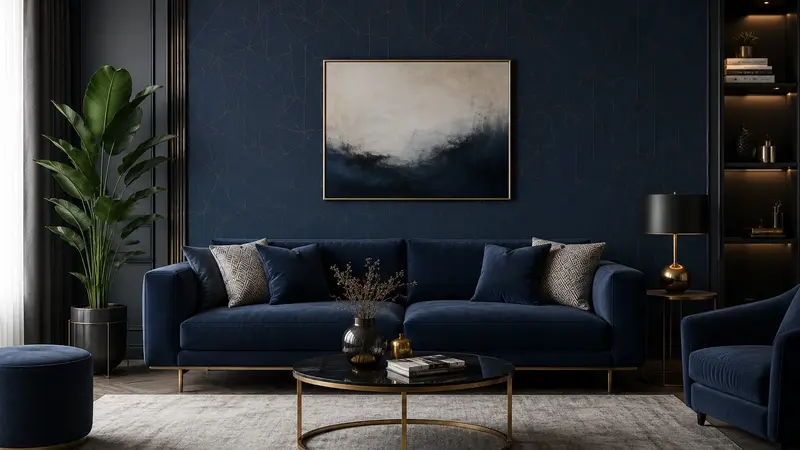

A well-designed home is more than an attractive collection of furniture and decorations. It should feel comfortable, function efficiently, and reflect the people who live there. DrHomey can be approached as a practical source of inspiration for homeowners who want to improve their interiors and outdoor spaces through thoughtful design choices rather than unnecessary changes.
The strongest home improvement projects usually begin with a clear understanding of what a space needs. Before buying new furniture or changing a color scheme, consider how the room is used, where clutter accumulates, how much natural light it receives, and which features could make everyday life easier. This approach creates a home that looks considered while remaining practical.
Build a Home Around Comfort and Function
Professional-looking interiors rarely depend on expensive items alone. Good design comes from choosing pieces that work together and serve a purpose.
When planning an improvement, consider:
- Room function: Decide how the space will actually be used.
- Furniture scale: Choose pieces that fit the room without restricting movement.
- Traffic flow: Leave comfortable pathways between furniture and key areas.
- Storage: Provide practical places for everyday belongings.
- Lighting: Combine natural and artificial light for a balanced atmosphere.
- Visual balance: Avoid overcrowding one area while leaving another unfinished.
These fundamentals provide a stronger foundation than following short-lived decorating trends.
Create a More Refined Living Room
The living room often serves as the social center of a home, so its layout deserves particular attention. Begin with the main seating arrangement and position furniture around a natural focal point, such as a fireplace, television, large window, or statement artwork.
A refined living room does not need excessive decoration. Instead, introduce interest through different textures and carefully selected accessories. A textured rug, quality curtains, cushions, artwork, and a few plants can add warmth without making the room feel crowded.
Lighting should also be layered. General ceiling lighting provides overall illumination, while floor and table lamps can create softer pools of light for reading or relaxing. This combination makes the room more versatile throughout the day.
Use Color With Intention
Color can influence how spacious, warm, calm, or energetic a room feels. Rather than selecting colors individually, develop a cohesive palette before beginning the project.
A balanced scheme might include:
- One dominant neutral or base color.
- A complementary secondary shade.
- One or two carefully chosen accent colors.
- Natural tones through wood, stone, plants, or woven materials.
Neutral interiors can be particularly effective because they provide flexibility. Color can then be introduced through artwork, textiles, furniture, or accessories. For a stronger design statement, a feature wall can add depth without requiring every surface to change.
Make Storage Part of the Design
Clutter can quickly undermine an otherwise attractive interior. Effective storage should therefore be considered during the design process rather than added as an afterthought.
Useful solutions include built-in shelving, storage benches, baskets, cabinets, floating shelves, and furniture with concealed compartments. In smaller rooms, vertical storage can make better use of limited floor space.
The objective is not simply to hide belongings. Good storage makes frequently used items accessible while keeping surfaces clear and the overall room visually calm.
Create a Relaxing Bedroom
A bedroom should provide a sense of comfort and quiet. Start with the bed, which is normally the room’s primary visual element. Coordinated bedding, suitable pillows, and soft textiles can immediately create a more inviting appearance.
Keep the color palette restrained and avoid filling every available surface with accessories. Bedside lighting, a simple piece of artwork, a small plant, or a comfortable chair can provide enough character without compromising the room’s peaceful atmosphere.
Window treatments also deserve attention. Curtains or blinds should provide privacy while complementing the colors and proportions of the room.
Improve the Kitchen Without a Complete Renovation
A kitchen can often be refreshed through targeted improvements instead of a full remodel. Updating cabinet hardware, improving lighting, organizing storage, or replacing a dated faucet can make the space feel noticeably newer.
Countertops should remain as clear as possible. Keep frequently used items accessible while storing appliances and accessories that are rarely needed.
Practical kitchen improvements can include:
- Better drawer and cabinet organization.
- Under-cabinet lighting.
- Updated handles and cabinet hardware.
- Open shelving where appropriate.
- Coordinated containers for everyday ingredients.
- A more efficient countertop arrangement.
A successful kitchen combines appearance with ease of use. Every improvement should make cooking, cleaning, or storage more convenient.
Give the Entryway a Strong First Impression
The entrance establishes the tone for the rest of the home. Even a compact entryway can feel polished when it is organized and appropriately furnished.
A mirror can add visual depth, while a slim console provides a practical surface. Hooks, baskets, or a small storage cabinet can help manage shoes, bags, and other everyday items.
Avoid placing too many objects near the entrance. A clean arrangement with a few purposeful details will generally appear more sophisticated than an overcrowded display.
Extend the Design Outdoors
Outdoor areas deserve the same thoughtful planning as interior rooms. A patio, balcony, porch, or garden can become a comfortable extension of the living space with the right combination of seating, lighting, plants, and accessories.
For smaller areas, choose furniture that matches the available dimensions. Vertical planters can introduce greenery without consuming much floor space, while outdoor lighting can make the area more useful after sunset.
Keep pathways clear and maintain plants regularly. Clean, well-maintained outdoor spaces often have a greater visual impact than adding large numbers of decorative features.
Choose Quality Over Quantity
One of the most reliable principles of home design is to purchase with purpose. Filling a room with inexpensive accessories may create temporary visual interest, but carefully selected pieces usually produce a more timeless result.
Before purchasing an item, ask:
- Does it serve a useful purpose?
- Does its size suit the room?
- Does it complement the existing color palette?
- Is it durable enough for regular use?
- Will it still suit the space if decorating trends change?
This mindset encourages more thoughtful spending and helps prevent unnecessary clutter.
Final Thoughts
A successful DrHomey approach focuses on practical, stylish, and comfortable living spaces. Thoughtful choices in furniture, color, lighting, storage, and decor can create a home that feels organized, personal, and welcoming without unnecessary renovation. For more practical home ideas, organization tips, and helpful inspiration, explore more guides on BuildEasyHome.