How to be better at interior design mintpaldecor starts with understanding that good design is not simply about expensive furniture, fashionable colors, or copying attractive rooms. It is about creating a space that feels balanced, comfortable, practical, and connected to the people who live there. With the right approach, you can improve your interior design skills and make thoughtful changes that give your home a more polished and welcoming appearance.
Understand the Space Before Decorating
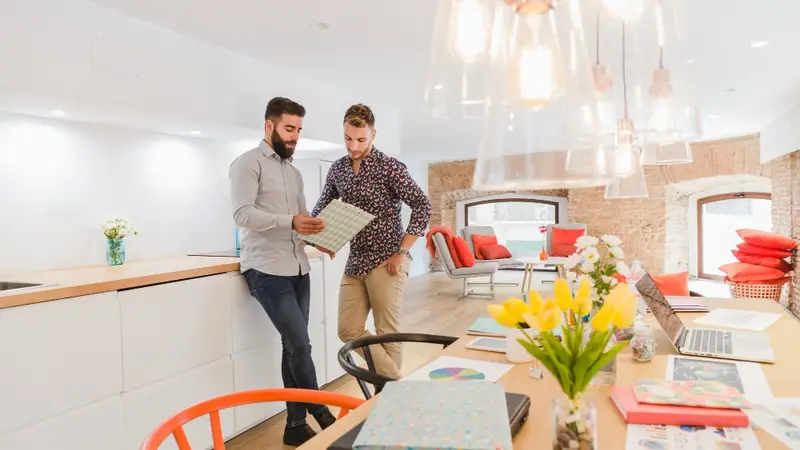
The first step toward better interior design is learning to work with the space you already have. Before purchasing anything, consider the room’s size, natural light, ceiling height, architectural details, and existing furniture.
Measure the room carefully and think about how people move through it. A beautiful arrangement can quickly become frustrating if furniture blocks pathways or makes everyday activities difficult.
Ask yourself:
- What is the main purpose of this room?
- Who will use it?
- Which furniture needs to stay?
- Where does natural light enter?
- What storage does the room require?
These simple questions can prevent expensive decorating mistakes.
Learn How Colors Work Together
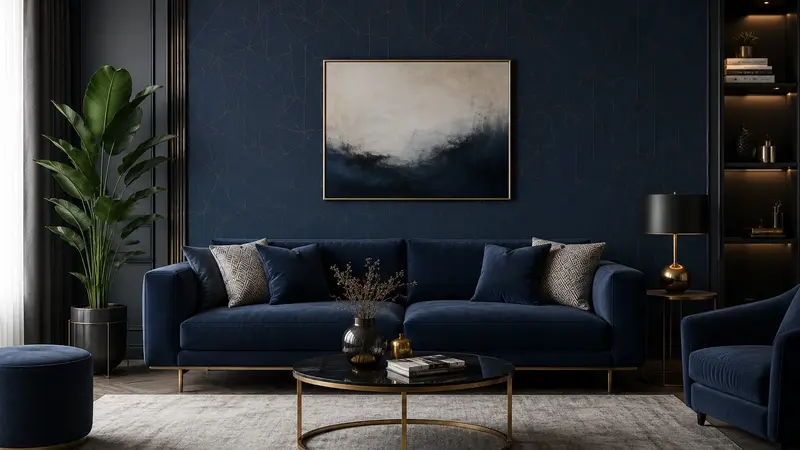
Color is one of the most noticeable elements of interior design. Instead of selecting colors individually, consider the entire palette. Start with a dominant color for walls or larger surfaces. Add secondary shades through furniture and textiles, then introduce smaller accents through artwork, cushions, plants, or accessories. Neutral colors can create a calm foundation, while deeper or brighter shades can add character. The goal is not to make everything identical but to create visual harmony.
Choose Furniture Based on Proportion
Furniture should suit the dimensions of the room. One of the most common decorating mistakes is choosing pieces based only on appearance.
Before buying a sofa, bed, dining table, or cabinet, measure both the furniture and the available space. Think about how much room people need to walk around it. A properly proportioned room feels comfortable without appearing crowded or empty.
Make Lighting a Priority
Lighting can completely change the character of an interior. Natural light should be considered when planning colors, furniture placement, and window treatments.
For evening use, combine different sources of artificial lighting. A room can benefit from:
- General ceiling lighting
- Floor lamps
- Table lamps
- Wall lighting
- Accent lighting
Different light sources allow you to change the atmosphere according to the time of day and activity.
Introduce Texture
A room can feel plain even when the colors are attractive if every surface has a similar texture. Adding material contrast creates depth.
Try combining wood, linen, cotton, wool, glass, metal, stone, and woven materials. Soft furnishings can make a modern space feel warmer, while natural materials can add character to a simple interior. Texture is especially useful when working with neutral colors.
Create a Strong Focal Point
Every room benefits from an element that naturally attracts attention. This could be an interesting piece of artwork, fireplace, statement light, architectural feature, or carefully arranged seating area.
Once you establish the focal point, arrange other elements so they support it rather than compete with it. Too many attention-grabbing objects can make a room feel visually confusing.
Add Personality Through Decor
A home should not look like a furniture showroom. Personal objects give an interior authenticity. Use artwork, books, photographs, plants, travel finds, handmade items, or other meaningful pieces to express your personality.
At the same time, avoid decorating every empty surface. Leaving some areas clear gives important objects greater visual impact.
Improve Storage and Organization
Good design should make daily life easier. Clutter can reduce the visual quality of even a beautifully decorated room. Use practical storage such as cabinets, baskets, shelves, storage benches, and multifunctional furniture. Keep frequently used items accessible while storing less-used belongings out of sight. An organized room usually feels calmer and more spacious.
Study What Works
One of the best ways to become better at interior design is to observe carefully. When you see a room you like, do not simply copy it. Identify what makes it successful.
Look at:
- Furniture proportions
- Color combinations
- Lighting
- Material choices
- Decorative balance
- Room layout
- Use of empty space
Over time, this habit helps you develop your own design judgment.
Avoid Following Every Trend
Trends can provide inspiration, but they should not determine every decision. A home designed entirely around short-lived trends may quickly feel outdated.
Instead, choose durable furniture, timeless materials, and colors you genuinely enjoy. Use smaller decorative items to experiment with current styles without changing the entire room. For more practical home ideas, organization tips, and helpful inspiration, explore more guides on BuildEasyHome.
Final Thoughts
Learning how to be better at interior design mintpaldecor is ultimately about developing a better understanding of space, proportion, color, lighting, materials, and everyday living. You do not need an unlimited budget or a completely new home to create a better interior.
Start with the space you have. Remove unnecessary clutter, improve the layout, choose colors thoughtfully, add texture, and introduce personal details. Most importantly, make decisions based on how the room will actually be used. When beauty and function work together, an interior feels natural rather than forced. That balance is what turns a decorated room into a genuinely comfortable home.