
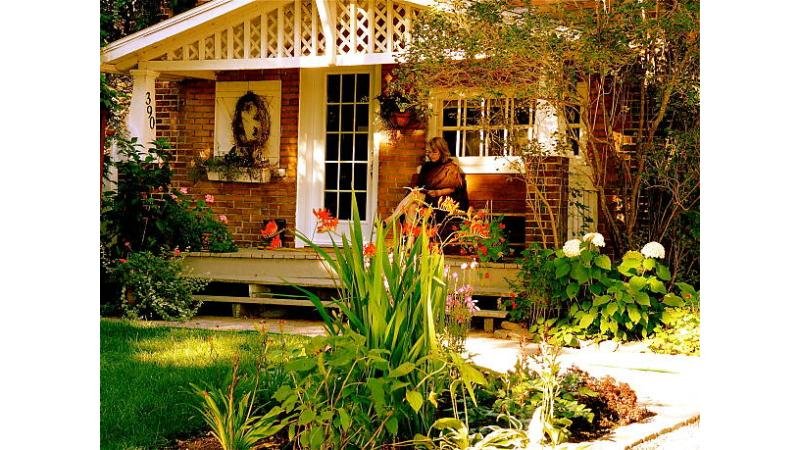
A comfortable home is not created by decoration alone. It depends on regular maintenance, smart organization, suitable design choices, and a well-managed outdoor space.
Home Advice Decadgarden brings these areas together through practical ideas for homeowners. The goal is simple: make your home easier to maintain, more comfortable to use, and more enjoyable to live in. The most effective approach is to solve everyday problems before they become expensive projects. A small leak, poor storage system, unhealthy soil, or overcrowded room can gradually affect the entire property.
This guide explains practical home and garden improvements that can be applied without turning every task into a major renovation.
What Is Home Advice Decadgarden?
Home Advice Decadgarden is a practical concept covering home improvement, household organization, maintenance, gardening, outdoor design, and everyday property care.
Instead of focusing only on appearance, useful home advice considers how a space actually works. A beautiful room still needs good storage, comfortable movement, suitable lighting, and easy maintenance. The same principle applies to gardens. A successful garden should match the available sunlight, soil, water supply, climate, and the amount of time available for maintenance.
Start With the Problems That Matter Most
Before buying furniture, plants, decorations, or renovation materials, identify the problems affecting your home. Walk through each room and inspect areas that receive frequent use. Look for clutter, poor lighting, damaged surfaces, leaking fixtures, difficult storage, and uncomfortable furniture placement. Outside, check drainage, soil condition, plant health, pathways, fences, and outdoor lighting.
Make a Simple Priority List
Not every problem needs immediate attention.
A useful order is:
- Safety problems
- Water leaks and moisture issues
- Structural or maintenance concerns
- Poor functionality
- Organization problems
- Appearance and decoration
This approach helps prevent money being spent on cosmetic improvements while important maintenance issues remain unresolved.
Improve Home Organization Before Adding More Storage
Many homeowners buy storage products before deciding what they actually need to store. Start by removing unused or duplicate items. Then group belongings according to how frequently they are used. Everyday items should remain easy to reach. Seasonal and rarely used belongings can be placed in less accessible storage.
Use the Space You Already Have
Vertical space is often overlooked. Wall shelves, tall cabinets, hooks, and organizers can increase storage without taking valuable floor space. This can be particularly useful in smaller bedrooms, kitchens, bathrooms, and entryways. Avoid filling every available space with storage. The objective is easier organization, not simply more containers.
Make Each Room Work for Its Purpose
A room becomes more comfortable when furniture supports its main activity. In a living room, maintain clear walking paths between seating and entrances. In a bedroom, leave enough space around the bed for comfortable movement. A kitchen should keep frequently used cooking items close to the main preparation area. In a home office, the desk should provide enough working space without blocking natural movement.
Measure Before Buying Furniture
One of the simplest home improvement lessons is to measure first. Check the room dimensions, doorway width, stair access, and available floor space before ordering large furniture. Also consider how doors, drawers, and cabinets will open after the furniture is installed.
Use Lighting as a Functional Design Tool
Good lighting can change how a room looks while also making everyday tasks easier. Start with natural light. Keep windows clean and avoid placing large objects directly in front of them. Then consider three basic lighting needs: general illumination, task lighting, and accent lighting.
Match Light to the Activity
Kitchen counters need practical task lighting. Reading areas benefit from focused illumination. Bedrooms may need softer lighting for relaxation. Using different lighting levels can make a room more flexible without changing its furniture.
Deal With Small Maintenance Problems Early
Small maintenance issues often become more complicated when ignored. A dripping tap can waste water. Damaged seals can allow moisture to enter unwanted areas. Blocked gutters can contribute to drainage problems. Regular inspections help homeowners notice these issues earlier.
Create a Seasonal Maintenance Routine
Inspect your property at the beginning of each season.
Check:
- Roof and gutter condition
- Windows and door seals
- Plumbing fixtures
- Outdoor drainage
- Garden tools
- Pathways
- Outdoor furniture
- Exterior lighting
The exact maintenance requirements depend on the property’s construction, climate, and local conditions.
Improve Garden Health by Understanding the Site
A healthy garden begins with the right plant in the right location. Before planting, observe how much sunlight an area receives. Check whether the soil drains quickly or remains wet after watering. Plant selection should also consider local climate and seasonal conditions.
Do Not Treat Every Plant the Same
Different plants have different requirements. Some prefer full sunlight, while others perform better in partial shade. Some need consistently moist soil, while others tolerate drier conditions. Grouping plants according to similar needs can make garden maintenance easier.
Water Plants According to Their Needs
A fixed watering schedule does not work equally well for every garden. Temperature, rainfall, soil type, plant maturity, and sunlight all affect water requirements. Check the soil before watering. If the root zone is already adequately moist, additional water may not be necessary.
Avoid Overwatering
More water does not automatically mean healthier plants.
Poor drainage and excessive watering can create conditions that damage roots. Container plants can be particularly sensitive because excess water may remain around the root system. Watering should therefore be based on the plant and growing conditions rather than habit alone.
Improve Soil Before Adding More Fertilizer
Plants depend on healthy soil for proper root development and nutrient availability. Before adding fertilizer, consider the condition of the soil. Compacted soil, poor drainage, or low organic matter may be bigger problems than nutrient deficiency.
Add Organic Matter When Appropriate
Compost and other suitable organic materials can improve soil structure in many garden situations. However, soil amendments should match the type of soil and plants being grown. Adding excessive material without understanding the soil can create new problems. For uncertain or specialized situations, a local gardening professional or soil test can provide more reliable guidance.
Use Mulch for Easier Garden Maintenance
Mulch can provide several practical benefits.
It can help reduce evaporation, limit some weed growth, and protect the soil surface from temperature fluctuations. Organic mulch can also gradually contribute organic material as it decomposes.
Keep Mulch Away From Plant Stems
Avoid piling mulch directly against tree trunks or plant stems.
A small gap allows the base of the plant to remain better ventilated and reduces unnecessary moisture around the stem. The correct mulch depth depends on the material and garden situation, so avoid creating an excessively thick layer.
Design Outdoor Areas Around Real Use
A garden does not need to be large to become useful. A small patio, balcony, courtyard, or backyard can support seating, container gardening, herbs, or a simple relaxation area. Think about how the space will actually be used before choosing furniture or landscaping features.
Create Simple Garden Zones
Larger outdoor spaces can be divided into functional areas. For example, one zone can provide seating while another supports plants. A pathway can connect these areas and make movement easier. This creates structure without requiring complicated landscaping.
Choose Low-Maintenance Improvements
A common mistake is choosing home or garden features based only on appearance. Every material, plant, surface, and decorative feature requires some level of maintenance.
Before making a purchase, ask:
- How often will it need cleaning?
- Will it tolerate local weather?
- Is replacement easy?
- Does it require specialized care?
- Does it solve a real problem?
These questions can prevent unnecessary long-term work.
Make Your Home More Water Efficient
Water efficiency starts with finding unnecessary water use. Repair leaking fixtures and avoid leaving taps running during routine cleaning. In gardens, use plants that suit local growing conditions and avoid watering areas that do not need additional moisture. Where appropriate, efficient irrigation systems can deliver water closer to plant roots and reduce unnecessary runoff.
Keep Safety Part of Every Home Project
Safety should come before appearance.
Keep stairs and walkways clear. Repair loose flooring and damaged outdoor surfaces. Store household chemicals and sharp gardening tools safely. Electrical, gas, structural, roofing, and major plumbing work can involve significant risks. These jobs should be handled by appropriately qualified professionals when they exceed basic household maintenance.
Sustainable Home and Garden Practices
Sustainability does not require changing everything at once.
Start with practical steps such as reducing unnecessary water use, repairing items instead of immediately replacing them, reusing suitable materials, and choosing durable products. In gardens, composting suitable organic material and selecting plants that fit local conditions can reduce unnecessary maintenance. The best sustainable choice is often the one that can realistically be maintained over the long term.
Common Mistakes Homeowners Should Avoid
Several mistakes appear repeatedly in home and garden projects.
Buying Before Measuring
Large furniture, storage units, and outdoor structures should be measured before purchase.
Choosing Plants Without Checking Conditions
A plant that looks attractive may struggle if the location does not provide suitable sunlight, drainage, or climate conditions.
Ignoring Minor Repairs
Small leaks and damaged seals can become more expensive when they remain unresolved.
Overwatering the Garden
Watering more frequently does not necessarily produce healthier plants.
Starting Too Many Projects
Completing several projects at once can increase costs and make maintenance difficult.
A better strategy is to complete one priority project, evaluate the result, and then move to the next.
A Practical Home and Garden Checklist
Use this simple checklist when reviewing your property:
Inside the home
- Check for leaks.
- Inspect windows and doors.
- Remove unnecessary clutter.
- Review storage areas.
- Clean lighting fixtures.
- Check furniture placement.
- Inspect frequently used surfaces.
Outside the home
- Inspect drainage.
- Check garden soil.
- Remove unhealthy plant material.
- Review irrigation.
- Clean garden tools.
- Inspect pathways.
- Check outdoor lighting and furniture.
A checklist makes routine maintenance easier because important tasks do not depend entirely on memory.
Frequently Asked Questions
What does Home Advice Decadgarden cover?
It covers practical home and garden topics such as maintenance, organization, lighting, cleaning, plant care, soil management, outdoor design, water efficiency, and seasonal property care.
What should I fix first in my home?
Start with safety concerns, leaks, moisture problems, and important maintenance issues. Cosmetic improvements can usually follow once essential problems are addressed.
How can I make a small home feel more spacious?
Reduce unnecessary furniture, improve storage, maintain clear walking paths, and use natural light effectively. Vertical storage can also help free floor space.
How often should garden plants be watered?
There is no single schedule for every garden. Check soil moisture and consider plant type, weather, sunlight, soil, and drainage before watering.
How can I create a low-maintenance garden?
Choose plants suited to your local conditions, group plants with similar requirements, improve soil where necessary, control weeds early, and avoid overly complicated landscaping.
Is home maintenance really necessary if everything looks fine?
Yes. Some problems develop in less visible areas. Regular inspections can identify leaks, drainage issues, damaged seals, and other maintenance concerns before they become more serious.
Final Takeaway
The most useful Home Advice Decadgarden approach is based on practical decisions rather than expensive changes.
Start by understanding what your home and garden actually need. Fix important maintenance issues, organize spaces according to daily use, select plants according to their growing conditions, and choose improvements that you can maintain comfortably. Good home care is an ongoing process. Small, consistent improvements can make a property more functional, comfortable, attractive, and easier to manage over time.