
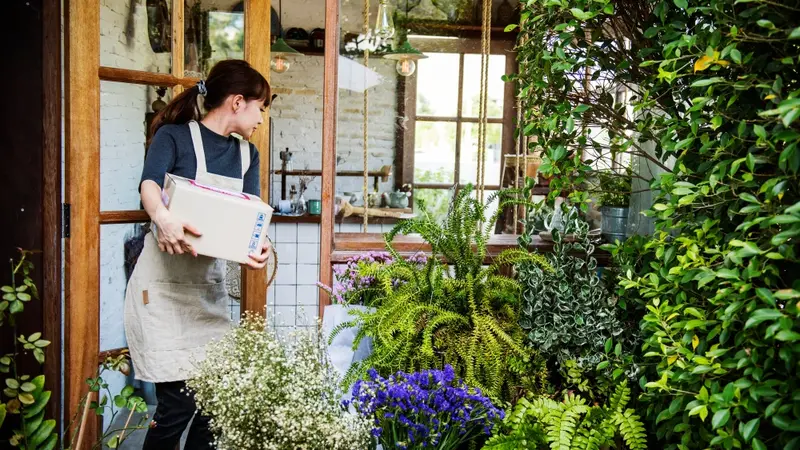
A beautiful garden does not require an expensive makeover. With thoughtful planning, suitable plants, practical features, and simple decoration, you can create an outdoor space that is attractive, functional, and easier to maintain. These decoradyard garden tips by decoratoradvice focus on practical garden design, plant selection, outdoor living, and maintenance. Whether you have a small backyard or a large yard, these ideas can help you make better use of your outdoor space.
Table of Contents
Toggle1. Plan Your Garden Before Planting
Start by studying your yard. Identify areas with full sun, partial shade, poor drainage, and strong wind. Check the condition of your soil and consider how people move through the space. Planning helps you choose the right plants and decide where to place pathways, seating areas, planting beds, and decorative features.
2. Decide How You Will Use the Space
A successful garden should match your lifestyle. Decide whether you want a relaxing retreat, outdoor dining area, family space, vegetable garden, or low-maintenance landscape. Once you know the purpose of the garden, it becomes easier to select suitable furniture, plants, lighting, and materials.
3. Choose Plants for Your Growing Conditions
Do not choose plants based only on appearance. Consider sunlight, soil, water requirements, climate, mature size, and maintenance needs. Where suitable, native or locally adapted plants can be easier to care for because they are better suited to local conditions. Always check the mature size of trees and shrubs before planting them near buildings, paths, or other plants.
4. Use Different Plant Heights
Layered planting gives a garden depth and structure. Use taller trees or shrubs at the back, medium-sized plants in the middle, and low-growing plants or ground covers at the front. Combining different heights also makes planting beds more interesting from windows, pathways, and seating areas.
5. Repeat Plants for a Cohesive Design
Using too many unrelated plant varieties can make a garden look cluttered. Instead, choose a smaller selection of plants and repeat them throughout the yard. Plant repetition creates rhythm and connects different areas of the landscape. It is a simple way to achieve a more professional garden design.
6. Create a Simple Color Scheme
Choose garden colors that complement your home’s exterior. Green foliage provides a natural foundation, while flowers can introduce seasonal color. A limited color palette often looks more organized than using many competing colors. Repeat selected colors in different planting areas to create visual consistency.
7. Design Practical Garden Pathways
Pathways should make the garden easier to use while adding to its appearance. Stone, brick, gravel, concrete pavers, and stepping stones can all work depending on your home’s style. Use durable materials on frequently used routes and keep pathways clear and comfortable to walk on.
8. Add a Garden Focal Point
A focal point gives the eye somewhere to rest. It could be a mature tree, attractive planter, water feature, pergola, sculpture, or comfortable seating area. Avoid using too many competing focal points. One strong feature can have more impact than several unrelated decorations.
9. Create a Comfortable Seating Area
A garden becomes more useful when it includes a comfortable place to sit. Consider a bench, outdoor chairs, or a compact dining set. Position seating where it benefits from shade, privacy, or an attractive garden view. Choose furniture that fits the size of the space and can withstand outdoor conditions.
10. Use Outdoor Lighting
Garden lighting improves evening usability and highlights important landscape features. Use pathway lighting for safer movement, functional lighting around seating areas, and accent lighting for trees or architectural features. Subtle lighting usually creates a more relaxing atmosphere than excessive brightness. Outdoor-rated fixtures and timers can also make maintenance easier.
11. Make Garden Watering More Efficient
Watering becomes easier when plants with similar water requirements are grouped together. Mulch can help reduce moisture loss and weed growth. Drip irrigation and soaker systems can also deliver water more efficiently where appropriate. Before watering, check soil moisture rather than following a fixed schedule regardless of weather conditions.
12. Improve Soil Health
Healthy soil supports stronger plant growth. If plants consistently struggle, check whether the soil drains properly and contains enough organic matter. Depending on your soil and plants, adding suitable compost or organic material can improve soil structure. Mulch can also protect the soil surface, conserve moisture, and reduce weeds.
13. Choose Low-Maintenance Garden Features
A low-maintenance garden can still look attractive. Choose plants suited to your local conditions and avoid overly complicated planting schemes.
Other useful strategies include:
- Reducing unnecessary lawn
- Using mulch
- Grouping plants by water needs
- Choosing durable outdoor materials
- Installing efficient irrigation
- Selecting plants that require appropriate levels of pruning
Low-maintenance does not mean maintenance-free. It means designing the garden so regular care is easier.
14. Use Vertical Space in Small Gardens
Small gardens can benefit from vertical planting. Trellises, climbing plants, wall planters, and narrow planting beds add greenery without taking up much floor space. Choose furniture that matches the scale of the garden and avoid filling every available area with decorations. A simple layout with one main focal point can make a small yard feel more spacious.
15. Keep Garden Decoration Simple
Decorative features should complement the garden rather than dominate it. Consider planters, lanterns, cushions, trellises, benches, or a small water feature. Choose materials and colors that work with your home’s exterior. Avoid excessive decoration. A few carefully selected features can make the garden feel finished without creating visual clutter.
Common Garden Mistakes to Avoid
Even attractive gardens can become difficult to maintain when basic planning is overlooked.
- Planting too closely: Give plants enough room to reach their mature size.
- Ignoring sunlight: Match plants to the amount of sun or shade available.
- Overwatering: Check soil moisture and plant requirements before watering.
- Using too many materials: Keep paving, furniture, planting, and decoration visually coordinated.
- Overdecorating: Too many ornaments can make a garden look cluttered.
- Forgetting maintenance: Consider pruning, watering, cleaning, and seasonal care before choosing garden features.
Final Thoughts
These decoradyard garden tips by decoratoradvice show that good garden design is about more than decoration. The best outdoor spaces combine appropriate plants, practical layouts, comfortable seating, attractive pathways, effective lighting, and manageable maintenance.
Start by understanding your yard and deciding how you want to use it. Then choose plants and features that suit the space. With a simple, cohesive design, even a small backyard can become a beautiful extension of your home. Its my blog.