
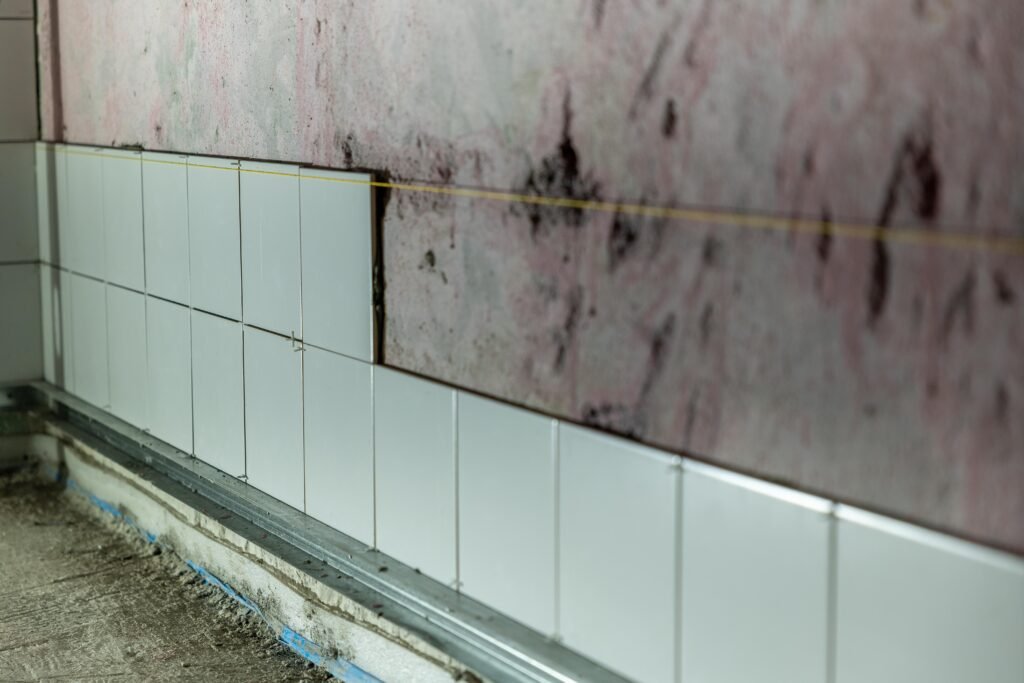
If you live in Austin, mold isn’t some rare worst-case scenario. The mix of humidity, sudden storms, older housing stock, and aggressive air conditioning can create the exact conditions mold needs to spread behind walls, under flooring, and inside HVAC systems. If you’ve noticed a musty smell or unexplained staining, your home may already be giving you useful warnings. Once you know what to look for, you can act before a small moisture issue turns into structural damage and expensive cleanup.
Mold Usually Starts as a Moisture Story, Not a Surface Problem
A lot of people treat mold like a cleaning issue. You spot a dark patch, grab bleach, wipe it down, and assume the situation is handled. In reality, mold is usually evidence of a moisture pathway that’s still active. It may be coming from a roof leak, a slow plumbing drip, poor bathroom ventilation, or condensation collecting around ducts and windows.
In Austin homes, this gets complicated fast because heat and humidity can mask early warning signs. You might not see obvious growth at first. Instead, you notice peeling paint, warped baseboards, or a room that always smells stale. Those clues matter. Mold colonies don’t need dramatic flooding to take hold. They only need organic material, trapped moisture, and enough time. Drywall, insulation, wood framing, carpet backing, and even dust can support growth when the environment stays damp.
Why Austin Homes Face a Different Mold Risk Profile
Austin presents a very specific mix of building and climate conditions. Long cooling seasons keep interiors sealed up, which can trap moisture indoors when ventilation and dehumidification aren’t balanced well. Sudden downpours can push water into vulnerable roof lines, window assemblies, crawlspaces, and slab-edge transitions.
You also have a wide range of home ages across the city. Older homes may have aging pipes, legacy insulation, or outdated exhaust setups. Newer homes can have their own issues, including tight building envelopes that hold humidity when airflow design is poor. That’s one reason many homeowners end up needing mold restoration in Austin after what seemed like a minor leak or one heavy storm. The local risk isn’t just about visible water damage. It’s about hidden dampness that lingers in enclosed assemblies long after surfaces appear dry.
The First Signs Are Often Easy to Miss
You probably expect mold to look black and obvious. Sometimes it does, but many infestations stay hidden for weeks or months. Early signs can include yellow-brown ceiling spots, bubbling drywall tape, soft trim near tubs, or recurring allergy-like symptoms that seem worse in one part of the house.
Pay attention to patterns. If your bathroom fan runs but the mirror stays fogged for a long time, ventilation may be weak. If one closet smells musty after rain, exterior moisture intrusion could be involved. If your AC seems to cool unevenly, condensation inside the system might be contributing to elevated indoor humidity. These details often get ignored because they don’t feel urgent. That delay gives mold more time to spread into cavities, under laminate planks, and around subfloor seams where cleanup becomes much more invasive.
DIY Cleaning Has Limits You Should Take Seriously
There’s nothing wrong with handling a very small patch on a non-porous surface if you know the cause and the area is isolated. The problem starts when DIY efforts move beyond simple surface cleanup. If mold has penetrated drywall, insulation, cabinetry, or flooring layers, wiping the visible area won’t solve the contamination source.
You also don’t want to disturb growth in a way that spreads spores through the house. Scrubbing, sanding, or tearing into materials without containment can make things worse, especially if your HVAC return pulls air from nearby. Professional remediation uses steps like moisture mapping, containment barriers, HEPA air filtration, and selective demolition based on material condition. That process matters because successful restoration isn’t just about removing stains. It’s about correcting the water issue, removing affected materials when needed, and helping prevent regrowth under real occupancy conditions.
Indoor Air Quality Can Shift Before the Damage Looks Serious
One of the most frustrating parts of mold exposure is how vague the symptoms can feel. You may chalk them up to seasonal allergies, dust, or poor sleep. Headaches, throat irritation, congestion, and irritated eyes can all show up before you ever see obvious fungal growth.
Indoor air quality problems are especially noticeable in bedrooms, nurseries, home offices, and closed rooms with limited airflow. If you feel better after leaving the house for a few hours, don’t ignore that pattern. Mold doesn’t affect everyone the same way, and symptom severity doesn’t always match visible damage. A small concealed colony near an air handler can create a much bigger air-quality issue than a larger spot in an isolated garage corner. Looking only at what’s easy to see can lead you away from the areas that actually need the most urgent inspection and moisture control.
Good Remediation Includes Investigation, Removal, and Prevention
A solid mold response follows a sequence. First, identify the moisture source. Without that, cleanup is temporary. Then assess the extent of spread, including adjacent materials and any HVAC involvement. After that comes containment, removal of unsalvageable porous materials, cleaning of affected structural surfaces, and post-remediation drying.
Prevention needs equal attention. That may mean improving bathroom exhaust performance, insulating sweating ductwork, adjusting grading outside, replacing failed caulking, or addressing roof flashing details. In some homes, standalone dehumidification makes a major difference during humid stretches. It’s also smart to monitor indoor relative humidity and aim to keep it consistently controlled. A house can look spotless and still hold enough moisture to support growth behind finishes. The most effective remediation work respects building science, not just appearance. If the environment stays mold-friendly, cosmetic repairs won’t last long.
What You Should Do If You Suspect Mold Right Now
Start with observation, not demolition. Note any odors, discoloration, soft materials, or rooms that feel humid or stale. Check around sinks, tubs, water heater pans, attic penetrations, window frames, and supply vents. If there’s been a recent leak, don’t assume the area dried just because the surface feels normal.
Take photos, document when you first noticed changes, and avoid disturbing suspicious materials. If the affected area is larger than a small isolated spot, if porous materials are involved, or if anyone in the home is reacting physically, bring in qualified help quickly. Time matters because moisture migration rarely stays put. What begins under one sink can move into cabinets, wall cavities, and adjacent flooring. Acting early protects both your home and your budget. Mold is rarely just an ugly patch. More often, it’s your house revealing that one system has quietly stopped working the way it should.
The Real Goal Is a Home That Stays Dry, Stable, and Healthy
You don’t need to panic every time you see a stain or smell something off. You do need to take those signs seriously enough to investigate them properly. Mold problems often grow because homeowners wait for certainty instead of responding to early evidence.
A healthy home isn’t only about finishes and curb appeal. It depends on moisture control, air movement, and materials staying within safe performance ranges. When those basics slip, mold becomes one of the first visible indicators. If you treat it as useful feedback rather than a cosmetic annoyance, you’ll make better decisions faster. That approach can save drywall, flooring, insulation, and even your indoor comfort. More importantly, it helps you keep your home functioning the way it was supposed to in the first place.